

La Última Cena, una de las obras maestras más famosas de da Vinci y una de las pinturas más reconocibles de la historia del mundo moderno, se encuentra en una pared del refectorio del Convento de Santa Maria delle Grazie de Milán. A pesar del desastroso método experimental utilizado en la creación de la obra, el paso del tiempo, los daños infligidos durante la Segunda Guerra Mundial y los inadecuados esfuerzos de restauración en el siglo 19, esta icónica pintura mural permanece y es una visita obligada mientras se pueda.
En el siglo 20, se emprendió un extenso proyecto de restauración de 22 años para salvar la pintura, que finalmente concluyó en 1999. Aunque este esfuerzo ayudó a prolongar la vida de la obra, los daños siguen siendo graves. No obstante, los visitantes siguen acudiendo en masa a contemplar esta obra cautivadora e impresionante, y muchos regresan una y otra vez. Si ha reservado un alquiler de casa en Milán o incluso si sólo dispone de un día en Milán durante sus vacaciones en Italia, una visita a La Última Cena es una obligación absoluta, pero esto es lo que debe saber si está planeando una visita...
Casa Vittoria
Hermoso piso con WIFI, A/C y aparcamiento
Descripción Propiedad
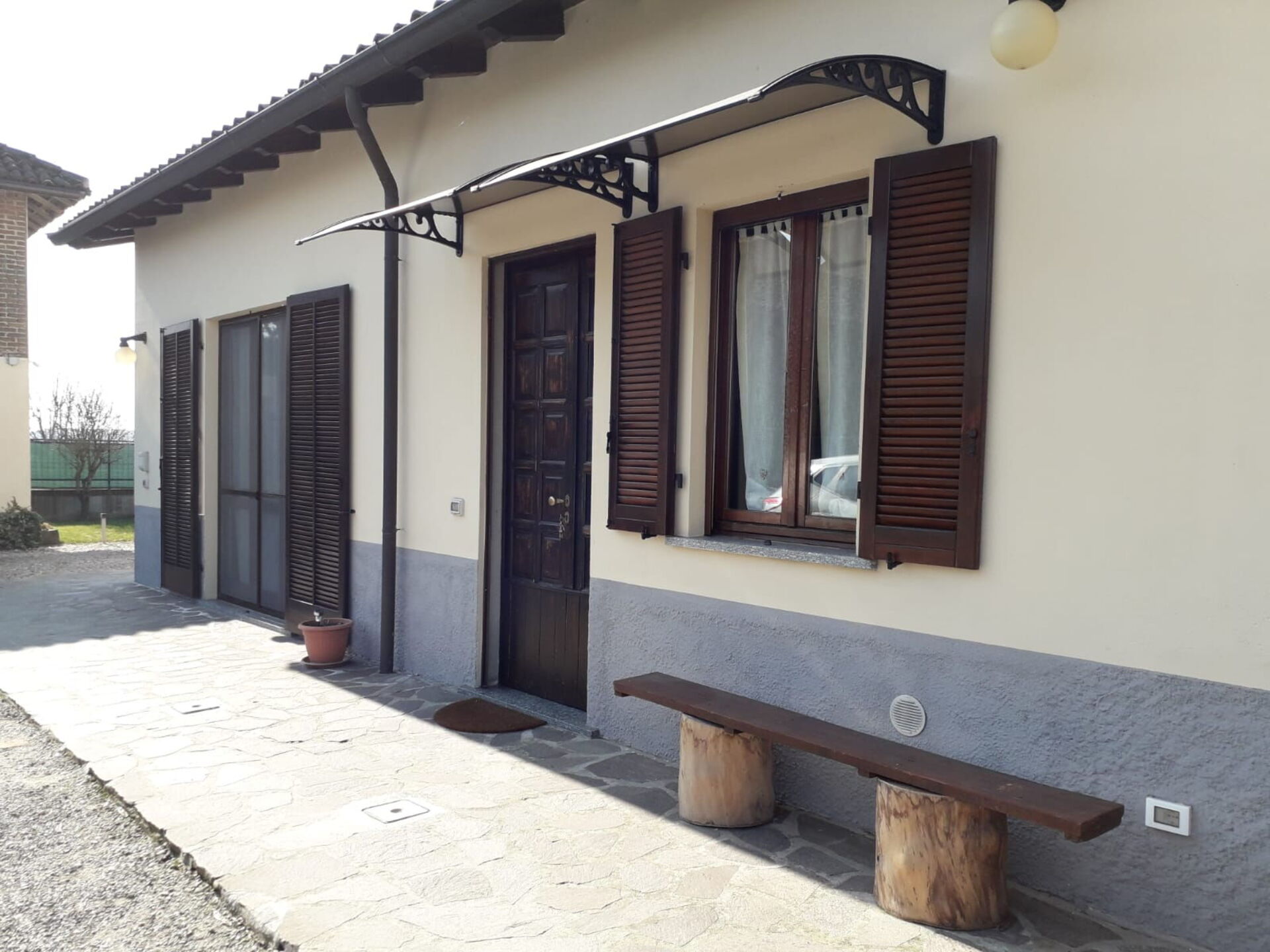
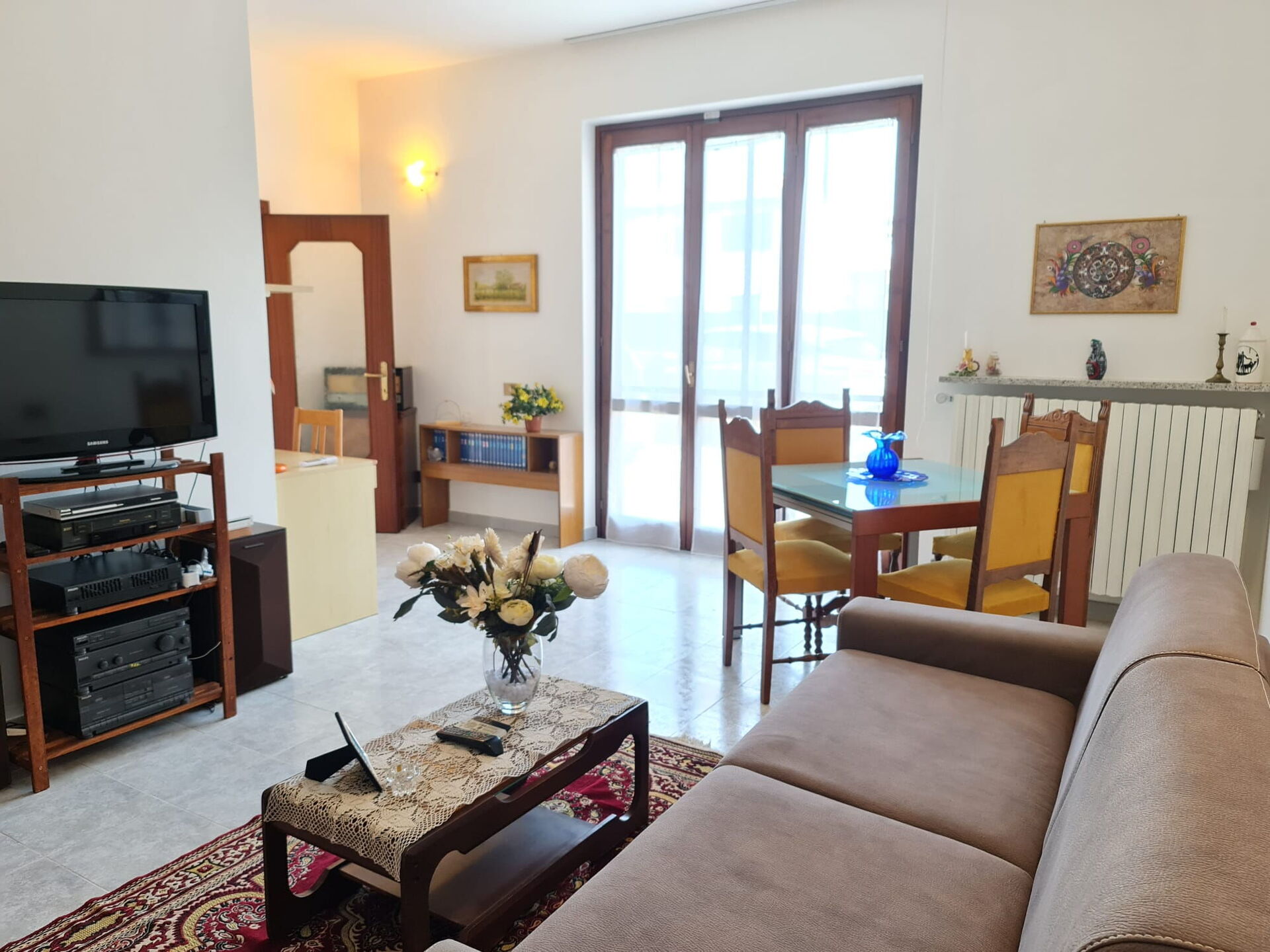
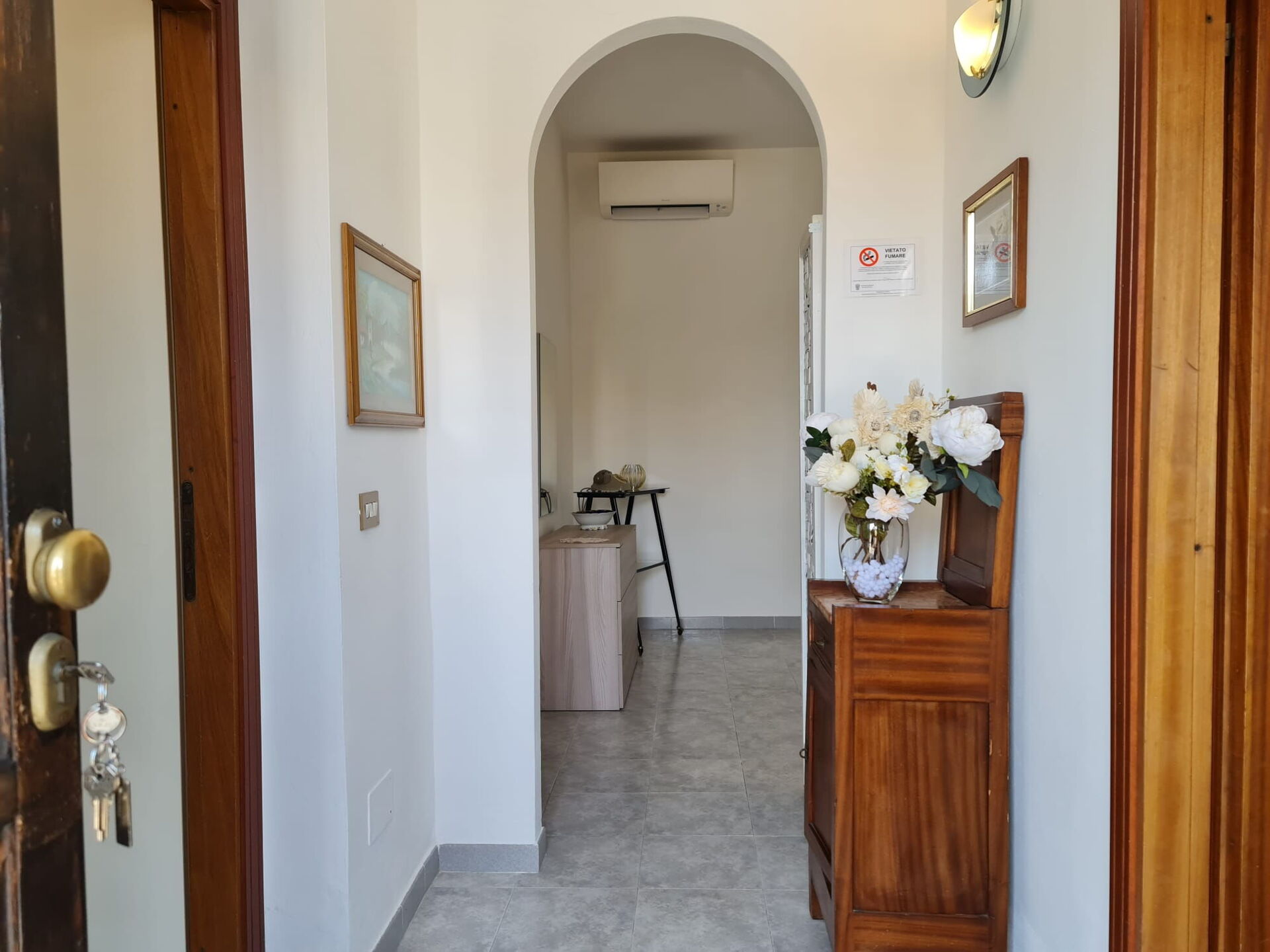
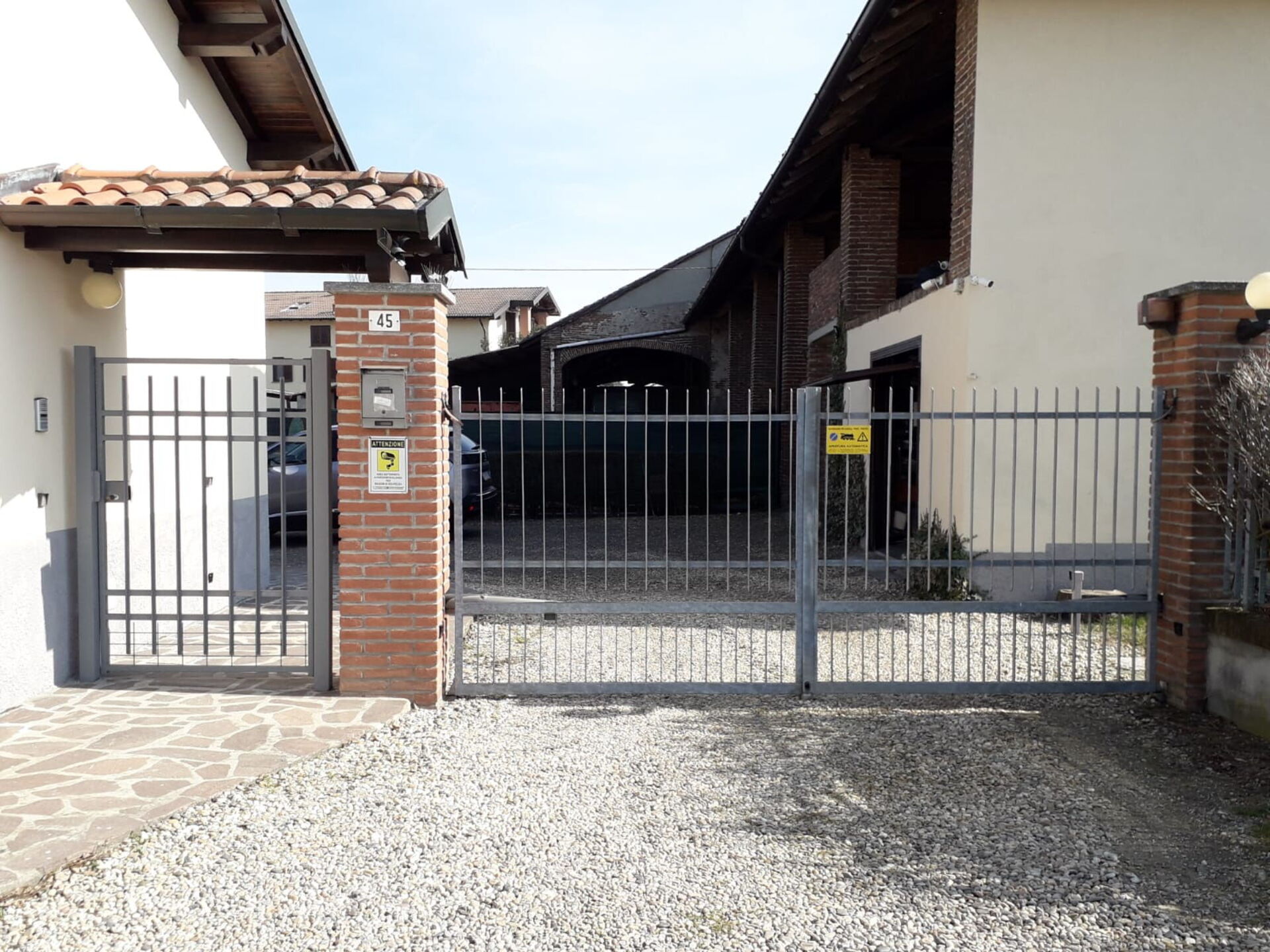
La propiedad Casa Vittoria es un hermosa propiedad(60 m2) que incluye aire condicionado y internet inalámbrico. La propiedad puede acoger cómodamente cuatro personas. La propiedad está situada sólo 12 km de distancia de Pavía (Italia) y sólo a 48 km de distancia desde Milán.
Lo que te espera
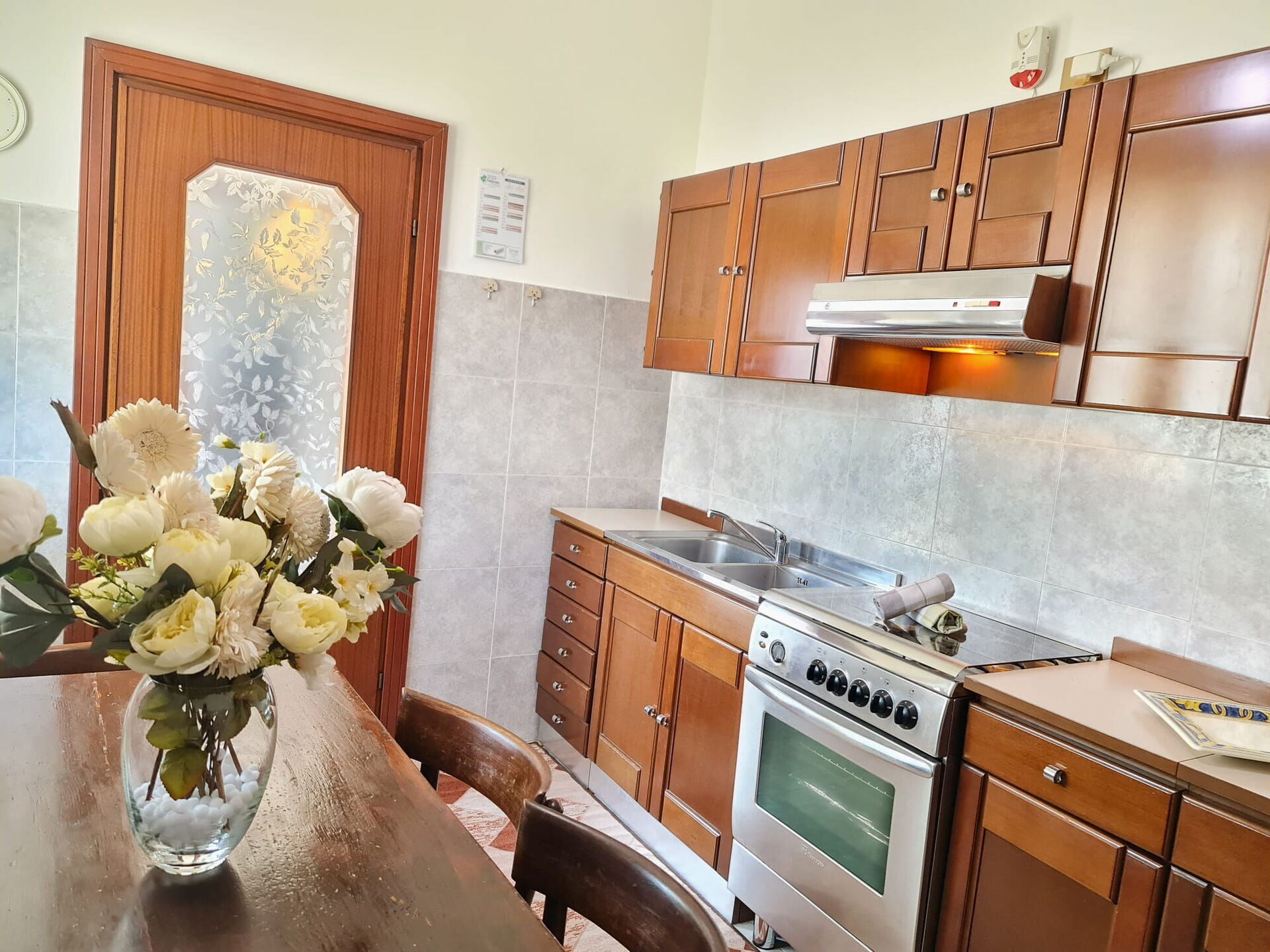
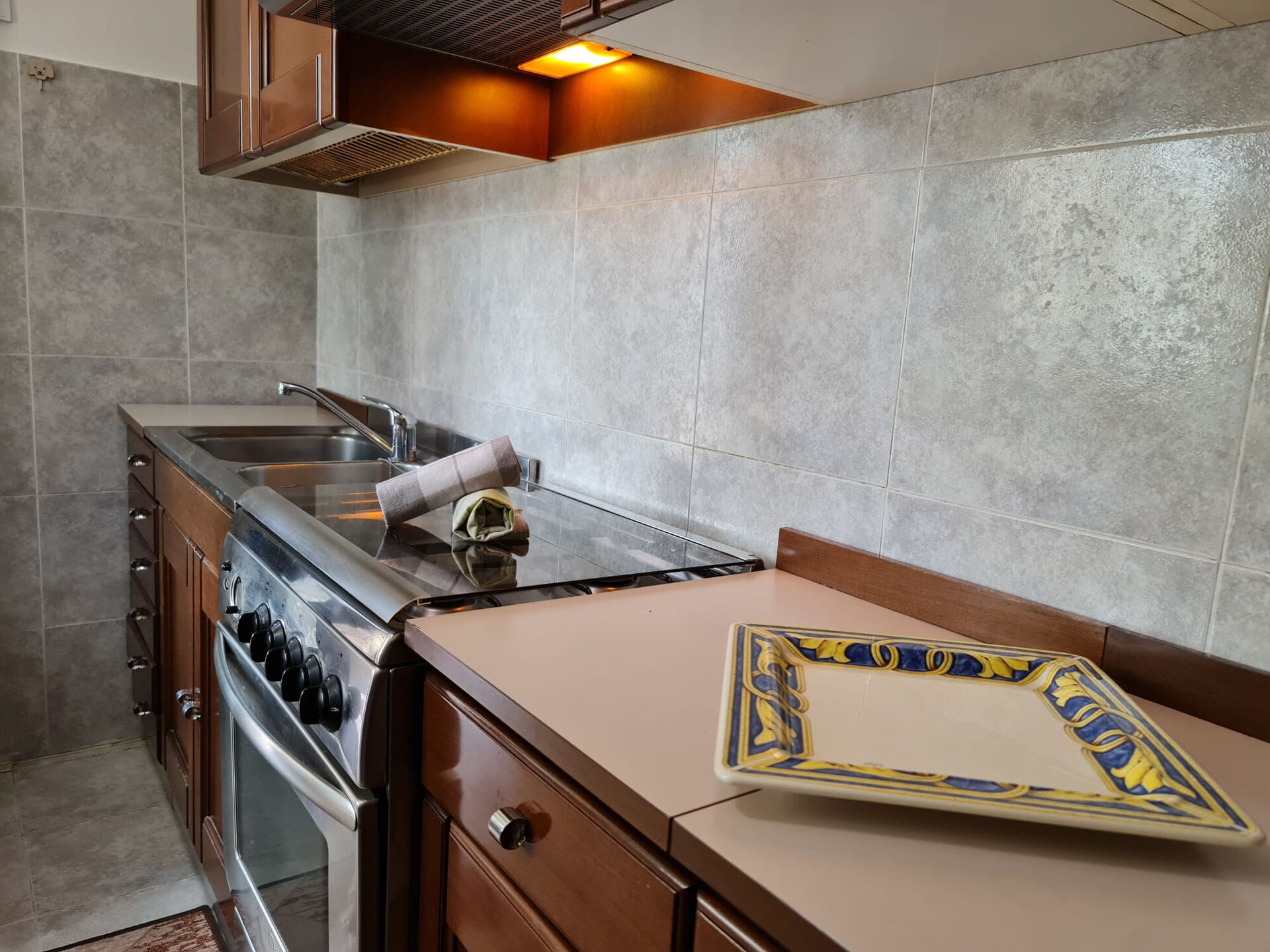
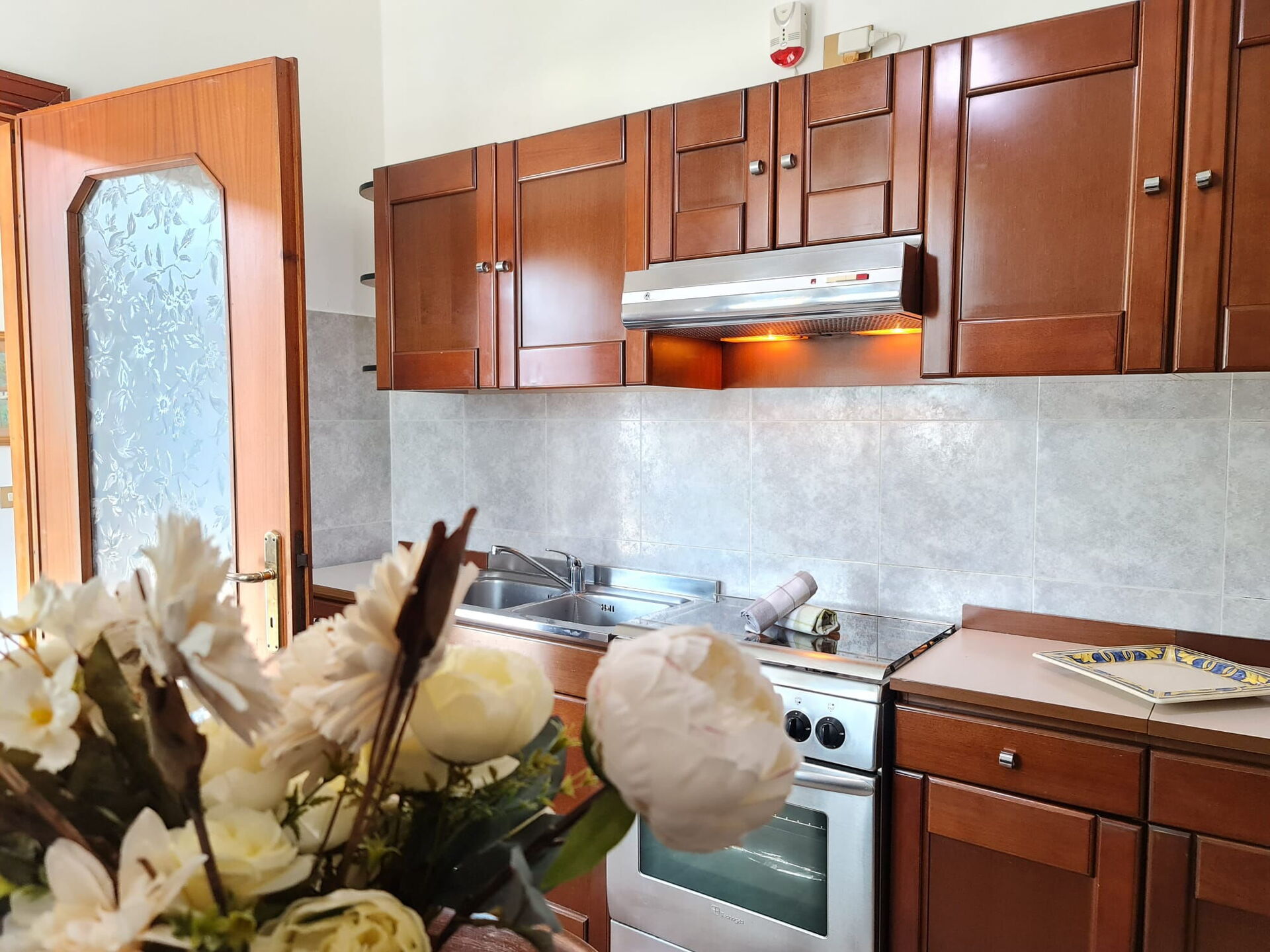
Después de llegar será recibido por el propietario u ama de llaves y encontrará una hermosa propiedad limpia y acogedora ideal para unas vacaciones tranquilas en Lombardía. Uno de los beneficios de estar en una casa de vacaciones sino que en hoteles, es la posibilidad de relajarse tras un largo día de visitas con la familia y los amigos. Al anochecer sigue disfrutando con una buena comida y un buen vino local. Cenar con familia y amigos es un aspecto de gran importancia en la cultura italiana. Aproveche de una cocina bien equipada para preparar comidas utilizando productos locales durante sus vacaciones. La cocina incluye cafetera, estufas y nevera, además de, muchas vajillas y cubiertos para hasta cuatro personas. Come 'al fresco' como un local, el jardín es el lugar perfecta para disfrutar de la comida, la compañía y el hermoso clima italiano.
Los Alrededores
La mayoría de la gente de vacaciones quiere visitar a ciudades y pueblos cercanos, para su información esta es una lista de lugares conocidos con distancias (en linea recta) en coche de la propiedad: Milán 48 km, Monza 73 km, Como 92 km, Asti 93 km y Bérgamo 104 km.
Otras destinaciones turisticas muy famosas que puede visitar son: Florencia 296 km, Viareggio 256 km, Forte Dei Marmi 243 km, Roma 574 km, Venecia 308 km y Milán 48 km.
Más informaciones
Aeropuertos más cercanos (distancias en linea recta): Milano (Lin) 58 km, Milano Malpensa (Mxp) 92 km, Bergamo (Bgy) 104 km, Genova (Goa) 113 km and Torino (Trn) 176 km.
Servicios Especiales
Tours - Tours personalizados pueden ser organizado por el dueño para su grupo. Para más informaciones sobre los tours ofrecidos, hable con el propietario tras llegar o pide antes de reservar. El coste puede variar a segunda del tour específico y del número de personas.
Descripción Interior
Planta baja
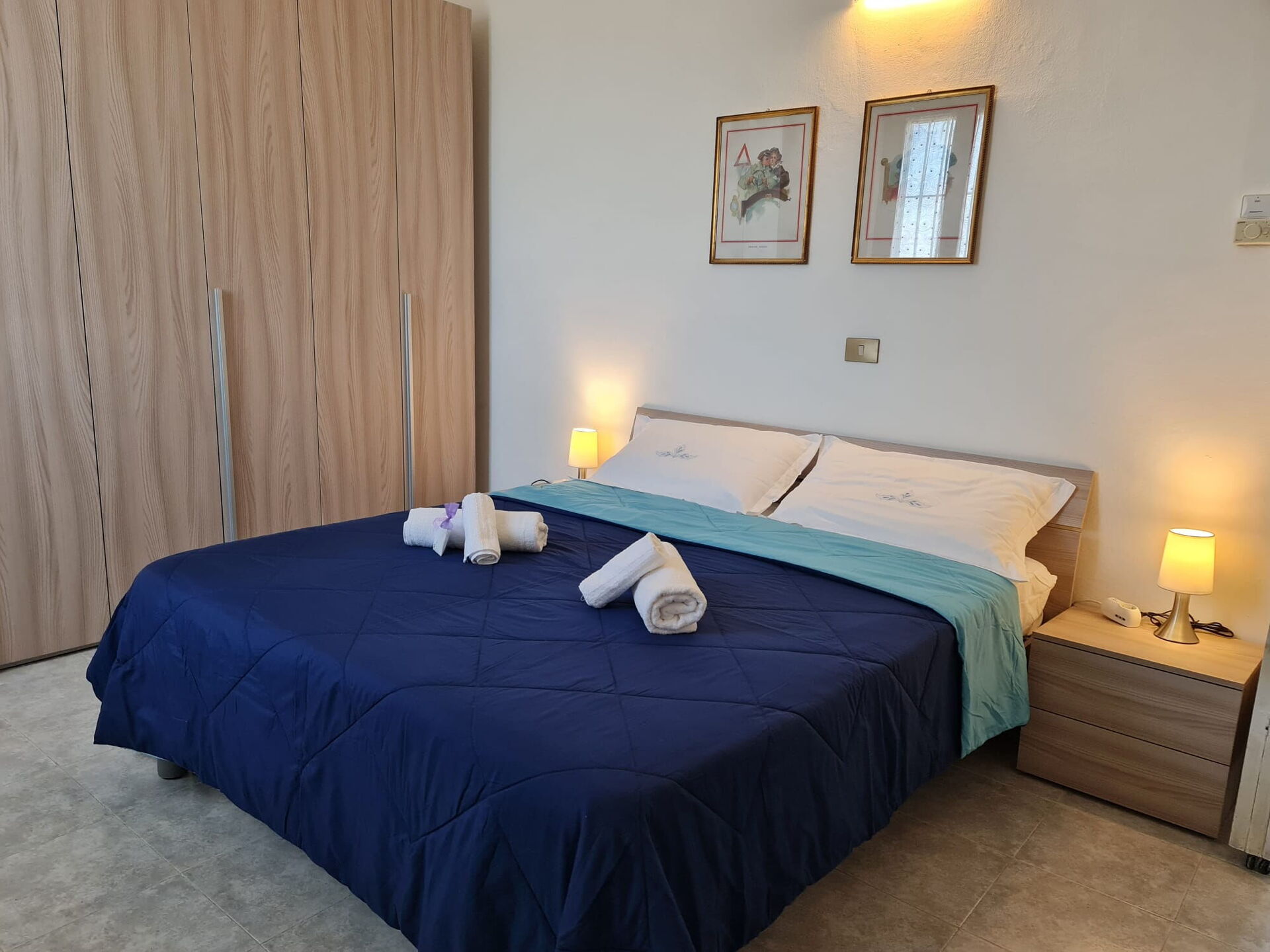
Incluye: cocina, salón, habitación, baño.
Cocina: cocina bien equipada, mesa de comedor, frigorífico, congelador, microondas, cocina de gas, horno, máquina de café italiana.
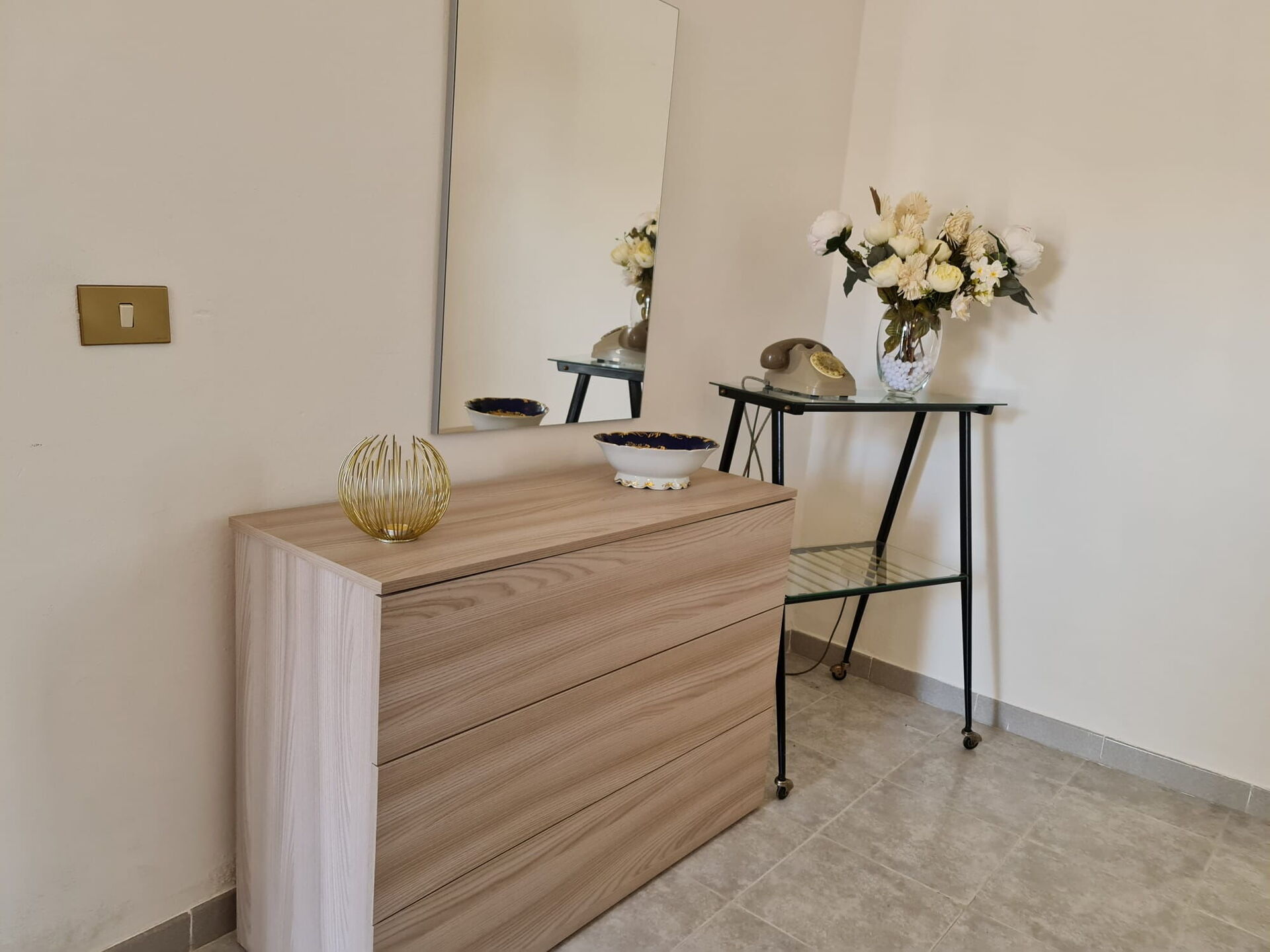
Salón: sofa, sillón, escritorio, sofá cama de matrimonio, WIFI internet, televisión.
Habitación: cama doble, WIFI internet, sillón.
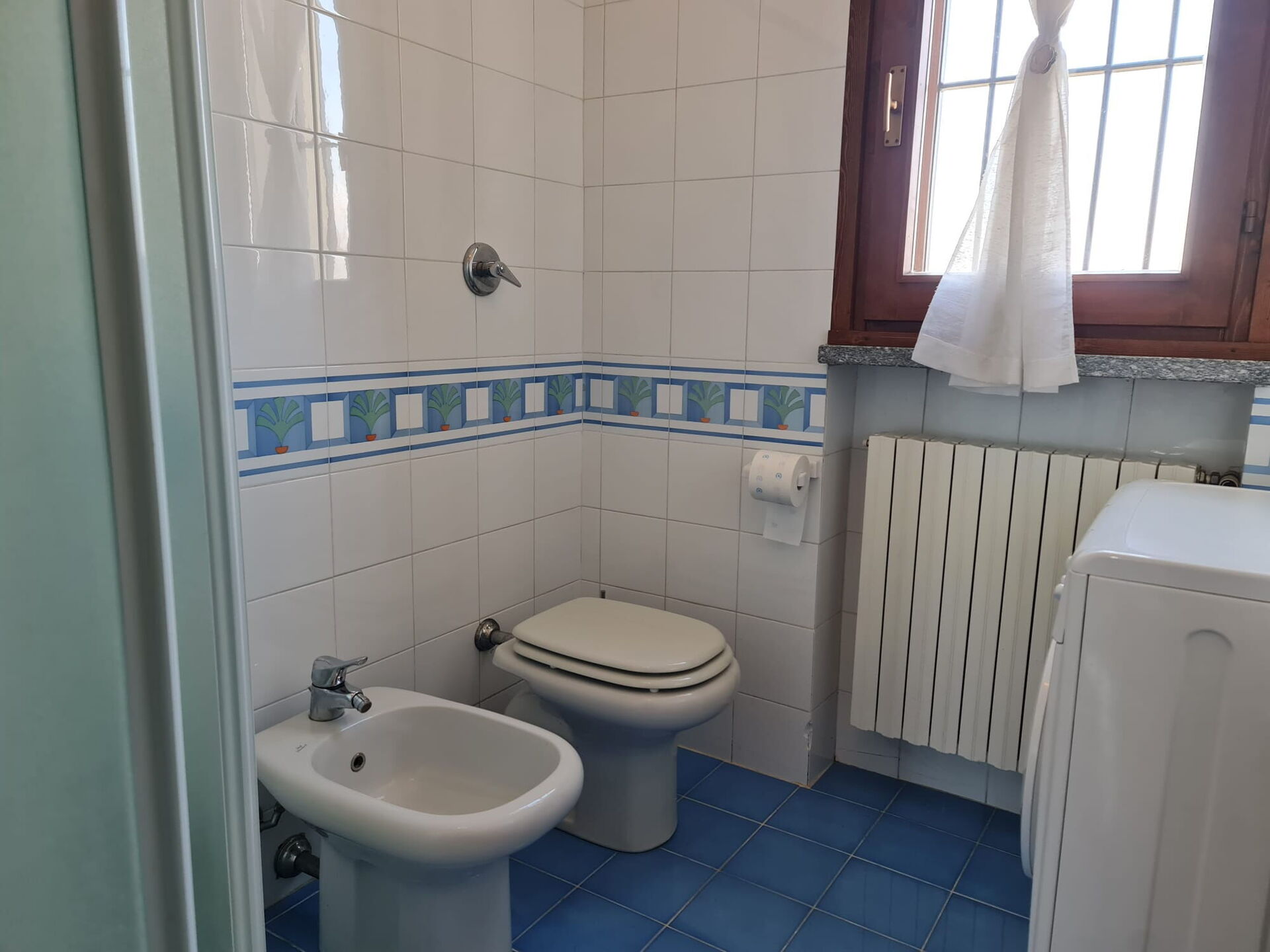
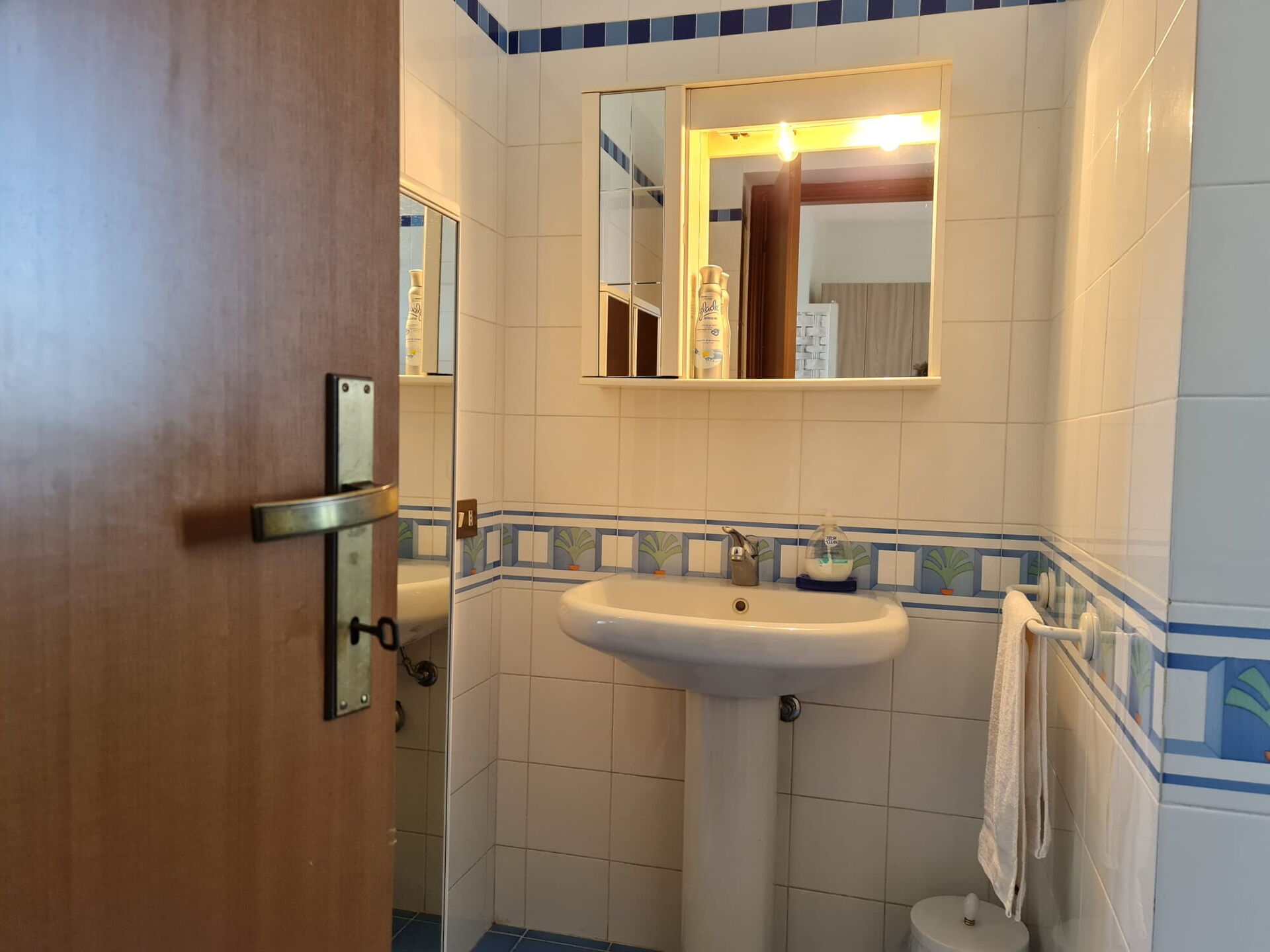
Baño: lavabo, baño, bidé, ducha.
Número de licencia o registro:
CIN: IT018041C2ZXJISTLG / CIR: 018041-CNI-00003
Posición Pavía, Lombardía, Italia

Puntos de interés cerca de la propiedad(Distancias en linea recta)
- Aeropuertos
- Milano (Lin), 57.9 Km
Atracciones
Ugo Foscolo and Alessandro Volta passed through the courtyards of his university. On the roads of the Oltrepò, Albert Einstein. Pavia is wisdom, pride and tradition.
In Pavia every place is a story. A Romanesque church houses the remains of Sant'Agostino. The Basilica saw the coronation of Federico Barbarossa as King of Italy.
Memory and tradition have not trapped the city. Just stroll through the loggias and the courtyard of the Magnolias of the University founded in 1361 by Emperor Charles IV, one of the oldest in Italy, to breathe history, science and avant-garde together. It happens in the Teresian Hall of the Library, in the classrooms of Foscolo and Alessandro Volta, as well as inside the Historical Museum and the Botanical Garden, with the orchid greenhouse and a large centuries-old plane tree.
In the city, one goes willingly to discover the Civic Museums inside the Castello Visconteo, and the Ponte della Libertà, to be observed at night when the arches are colored in blue, yellow and fuchsia by the neon lights of the artist Marco Lodola. The 14th century Gothic Ark where Saint Augustine rests is kept in San Pietro in Ciel d'Oro. Barbarossa was instead crowned inside the Basilica of San Michele Maggiore.
Another pearl not to be missed is the Church of San Teodoro built in the second half of the 12th century to house the remains of San Teodoro, the ancient bishop of Pavia and patron saint of fishermen, boatmen and traders who lived in this area of the city.
Inside, we note the beautiful fresco by Bernardino Lanzani from 1525 depicting a very detailed view of Pavia still bristling with dozens of tall medieval towers, in which the castle, the bridge, the Regisole and many still existing churches can be easily recognized.
The Basilica of San Michele, a masterpiece of Lombard Romanesque architecture, the basilica has a grandiose plan with three naves, surmounted by the lantern, and is decorated with a rich decorative apparatus of which the sculptures on the facade, the reliefs and the zoomorphic bands are examples , the frames with spirals and plant shoots.
The current building was built on the previous Longobard church and performed the function of seat of the royal coronation ceremonies: here in 1155 Federico Barbarossa was crowned.
The interior is adorned with capitals carved with stories from the Bible and allegorical figures and has a very impressive crypt.
On the presbytery, it houses the floor mosaic depicting the "Months" and the "Labyrinth" and, in the transept, the crucifix known as that of Theodote, a silver foil masterpiece by a master goldsmith active in northern Italy in the second half of the 10th century.
If you still don't know if it's worth leaving, here are 10 good reasons to visit Pavia and Oltrepò:
1. Einstein lived here
Did you know that even Einstein stayed in Pavia? In 1894 his parents moved to Palazzo Cornazzani in the city - formerly the home of Ugo Foscolo - and the scientist spent a few months there taking walks in the Oltrepò and cycling along the Ticino.
2. It is the city of knowledge
Not everyone knows that Pavia boasts one of the oldest universities in Europe. To learn about its history, visit its museums: the Natural History Museum, the Electrical Technology Museum, the Mineralogy Museum, the Botanical Garden and the University History Museum. The latter houses the Scarpa Room dedicated to the famous anatomist, the Porta Room with exhibits and experimental preparations made by the surgeon in the 19th century, the Golgi Room, dedicated to the Nobel Prize winner Camillo Golgi, the Volta Room, reserved for the inventor of the battery and the nineteenth-century physics cabinet.
3. Its churches are without equal
There is the fifteenth-century Cathedral with the relics of the Holy Thorns of Christ, the remains of San Siro, protector of Pavia, and the rich paintings by Carlo Sacchi. But there is also the Church of San Pietro in Ciel d'Oro, known because it houses the remains of Severino Boezio, of King Liutprando and of Sant'Agostino, doctor of the Church: its ark is one of the most beautiful monuments of the fourteenth century Gothic . Also not to be missed is San Michele Maggiore, from 1118, and the church of Santa Maria in Betlem, in the Ticino village, also known as the "house of Santa Maria della Stella".
4. His shoes are museum-worthy
Just visit Vigevano to discover the International Footwear Museum, which exhibits both very ancient models and those that have made the history of more recent fashion. From Beatrice d'Este's Pianella to the creations of Manolo Blahnik, a space not only for lovers of 12 heels, but for all those who want to learn more about the evolution of Vigevano's costume and craftsmanship.
5. It's a land...bubbly
We explore the Oltrepò Pavese to find the most famous wineries. Why yes, even Pavia is a land with an ancient winemaking vocation and here you can taste various nectars: from reds to sparkling rosés, from Bonarda to Barbera to perfumed Riesling, from Moscato to Malvasia, from Cabernet to Pinot Noir, for a total of 36 different types, all DOC.
6. It has some of the most beautiful villages in Italy
Not just great wines. In the Oltrepò there are some of the most beautiful villages in Italy: Fortunago, Zavattarello and Porana. All three guarantee suggestive atmospheres, monuments rich in history and excellent typical dishes. Varzi is also worth a visit, where a delicious DOP salami is produced.
7. Walk indoors
The covered bridge of Pavia, which surmounts the Ticino river, is one of the symbols of the city. What we see today is the reconstruction of the ancient fourteenth-century bridge, seriously damaged during the bombings of the Second World War, so much so that the old pylons are still visible in the waters of the river. Open to both car traffic and pedestrians, it has a plaque dedicated to the 50th anniversary of Albert Einstein's death, which bears a phrase written by the scientist in one of his letters: "Die schöne Brücke in Pavia habe ich oft gedacht" (" I have often thought of that beautiful bridge in Pavia").
8. His theater is a little gem
It is thanks to the efforts of four Pavia nobles, Count Francesco Gambarana, Marquis Luigi Bellingeri Provera, Marquis Pio Bellisomi and Count Giuseppe Giorgi di Vistarino, that Pavia today can boast a splendid theatre. The works began in 1771 and ended in 1773, showing everyone a masterpiece: the Fraschini theater, designed by Antonio Galli Bibiena. With a typical horseshoe shape, it is embellished with a series of boxes and a completely painted wooden ceiling. Artists such as Renzo Ricci, Cesco Baseggio, Vittorio Gassman and Dario Fo have treaded his scene.
9. It is the capital of rice
With about 80 thousand hectares entirely dedicated to rice fields, Pavia is the Italian capital of rice. The plain that extends between the Lomellina and the Pavese looks like a large mirror that reflects the sky and the landscapes: fascinating, dotted with farmhouses, rich in tradition and history, this land will win you over not only by taking you by the throat.
10. The Certosa of Pavia
Immersed in the countryside around Pavia, a few kilometers from the city centre, you will find before your eyes one of the greatest Italian masterpieces of the Renaissance: the Certosa di Pavia.
The monastery was built by Gian Galeazzo Visconti as a family chapel, connected to the castle through the Parco Visconteo. Construction began on 27 August 1396 and it was Gian Galeazzo himself who laid the foundation stone.
The church was covered at the behest of Francesco Sforza in 1462, while the large cloister, made up of terracotta arches supported by marble columns, was finished in 1472. The facade of the Certosa is decorated with a series of medallions depicting characters – historical or legendary – from antiquity.
Higher up are represented scenes from the life of Christ and from the Old Testament and figures of Saints and Prophets. Entering the church you will notice the original Gothic structure, inspired by the Milan Cathedral, its three naves are covered by cross vaults decorated with starry skies and figures of Saints and Carthusians. The frescoes dedicated to the Sforza and Visconti families are found in the left transept.
The Certosa di Pavia opened its museum to the public for the first time in 1911. About 200 plaster casts of the reliefs of the facade, cloisters and other parts of the monastery are exhibited on the ground floor of the Certosa Museum. On the first floor there are vestments, sculptures, altarpieces, paintings on wood, marble high reliefs and the portraits of the Visconti and Sforza families.
THE CASTLES OF PAVIA
Pavia is a province rich in history and the presence of numerous castles in its territory proves it. The most important and tourist destination is the Visconteo di Pavia, protected by a moat. Built by Galeazzo Visconti, it is not only home to museums, but also boasts splendid rooms that still preserve precious frescoes from the Visconti and Sforza ages.
In Pavia, cultural tourism takes you outside the city limits to the Castello Sforzesco of Vigevano, located in the upper part of the city. Excellently preserved, it fascinates with the Garden and the Loggia delle Dame and the International Footwear Museum, set up on the first floor.
Among the other castles not to be missed, Belgioioso stands out which, unlike the first two, appears as an imposing aristocratic residence, surrounded by neoclassical style gardens. It was restored in the 1970s and today hosts cultural shows and events. Continuing along the Via Francigena, we meet the majestic castle of Chignolo Po, one of the most sumptuous castle residences in the countryside, so much so that it is known as the "Versailles of Lombardy".
Come and visit the castles of Lombardy and discover the military architecture and fortresses of Pavia: each of them has stories to tell.
THE "VIA FRANCIGENA"
The Via Francigena, the route that led pilgrims and crusaders from France to the Holy Land via Rome, is a candidate to become a UNESCO World Heritage Site. An important news for its ability to enhance the historical, cultural and landscape heritage of the territories that crosses this historic route.
The Italian section of the Via Francigena is about 945 km long and Pavia is one of the stops that the pilgrim must touch along his journey.
There are 4 stages of the Via Francigena in the province of Pavia: from Robbio to Mortara (14 Km), from Mortara to Garlasco (20Km), from Garlasco to Pavia (24 Km) and from Pavia to Santa Cristina (28 Km). Going through them also means taking a journey through Romanesque and Gothic art, of which there are significant testimonies.
From Robbio to Mortara
Very short stage that crosses the green meadows of Lomellina, cultivated with rice.
Of note is the church of San Valeriano in Robbio, a fundamental stop on the 11th century Via Francigena because it offered hospitality to papal and imperial messengers and the Abbey of Sant'Albino in Mortara which in the Middle Ages became a spiritual stopover for pilgrims heading to Rome and still today the abbey offers hospitality in the structure used as a hospital.
From Mortara to Garlasco
Leaving the Abbey of Sant'Albino, a journey begins between fields and woods that crosses Remondò and Tromello, a stop on the Sigerico itinerary. Arrival point in Garlasco at the Church of S. Maria Assunta.
From Garlasco to Pavia
From Garlasco and from the Sanctuary of the Madonna della Bozzola and from nearby Gropello Cairoli, continue to Bereguardo and Zerbolò through a suggestive itinerary in the Ticino Park; just outside the town you can discover the countryside, rice paddies, herons, woods and a charming road along the bank.
Just let yourself be guided by the river to conquer Pavia, where it is worth staying a little longer to visit its churches.
From Pavia to Santa Cristina
The last stage is the most rural; it runs along the Pavia countryside that embraces Santa Cristina and Bissone, where pilgrims can find hospitality by contacting the parish. In addition to the hostel, where Sigerico probably stayed overnight, there was an abbey where Corradino di Svevia also stayed. At the Municipal Palace it is possible to visit the Farmer's Museum of the Bassa Pavese.
The itinerary then passes through Linarolo, stops at the 14th century Castle of Belgioioso and at the oratory of San Giacomo della Cerreta, where the church dedicated to the saint of the same name was a meeting point for many pilgrims, stops at the Castle of Spessa Po and the sixteenth-century one of San Zenone al Po – birthplace of the famous Gianni Brera – to finally follow the embankment of the Po and the Lambro and arrive in Lambrinia, a hamlet of Chignolo Po. Here the Via Francigena resumes its route along the Lodi stretch of the Itinerary of Sigeric.
Transporte Local
Bus stop: 750 meters - Cava Manara Tre Re - Tirati/Villa Gori
Cava Manara railway station 2.5 km
Linate airport 42km
Malpensa airport 50km
Aparcamiento
private parking space