
La Regina dei Limoni
Cómodo alojamiento con WIFI, A/C, TV, balcón y aparcamiento
Descripción Propiedad
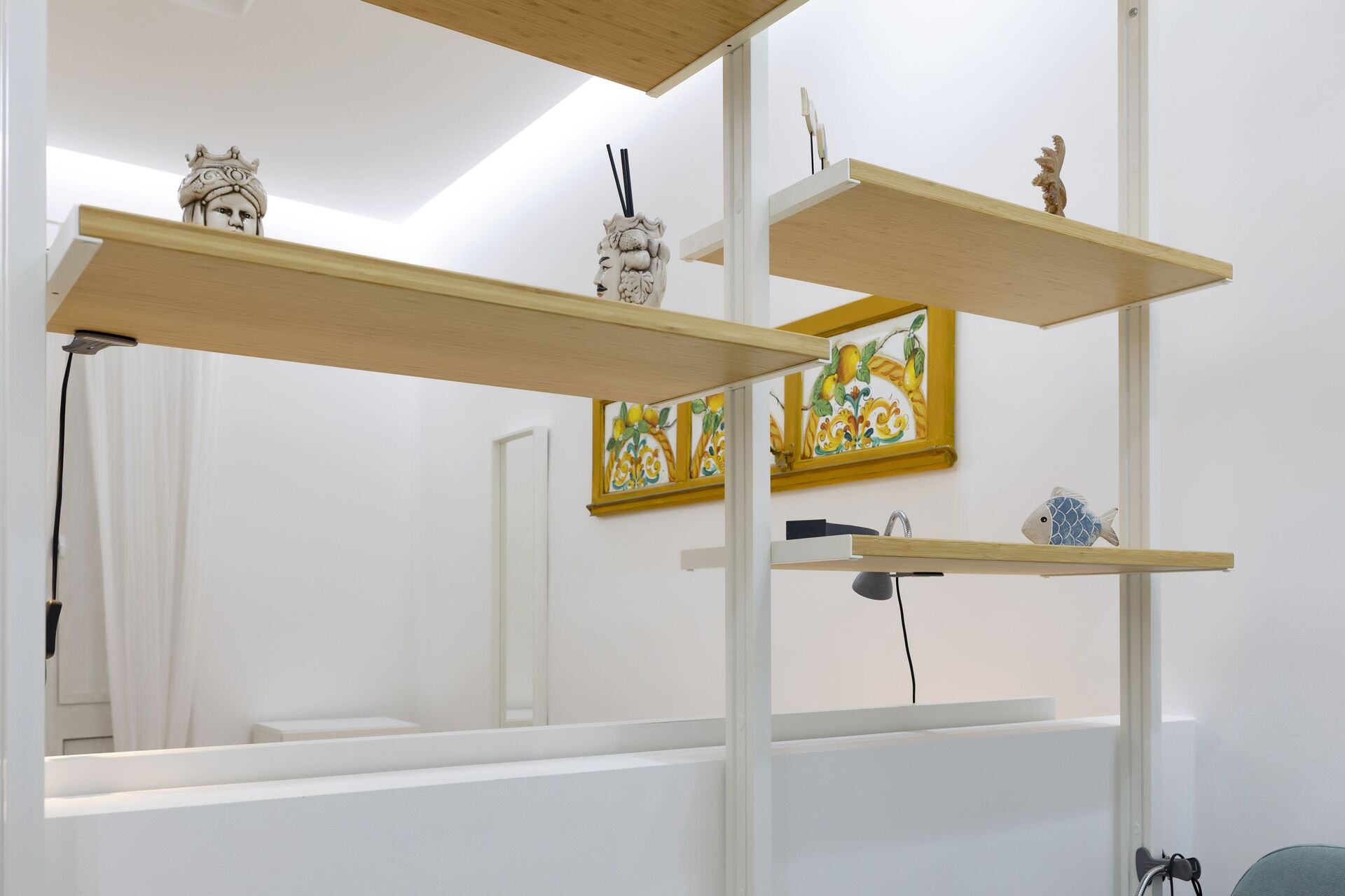
La Regina Dei Limoni está situada en Trapani (Italia), y sólo a 105 km de distancia desde Palermo en la zona turística "Sicilia Occidental". La casa de vacaciones La Regina Dei Limoni es un hermosa propiedad(80 m2) que incluye internet inalámbrico y aire condicionado. La propiedad puede acoger cómodamente cuatro personas. Vive la costa italiana con sus playas maravillosas. La casa de vacaciones está situada muy cerca del mar (250 m).
Lo que te espera
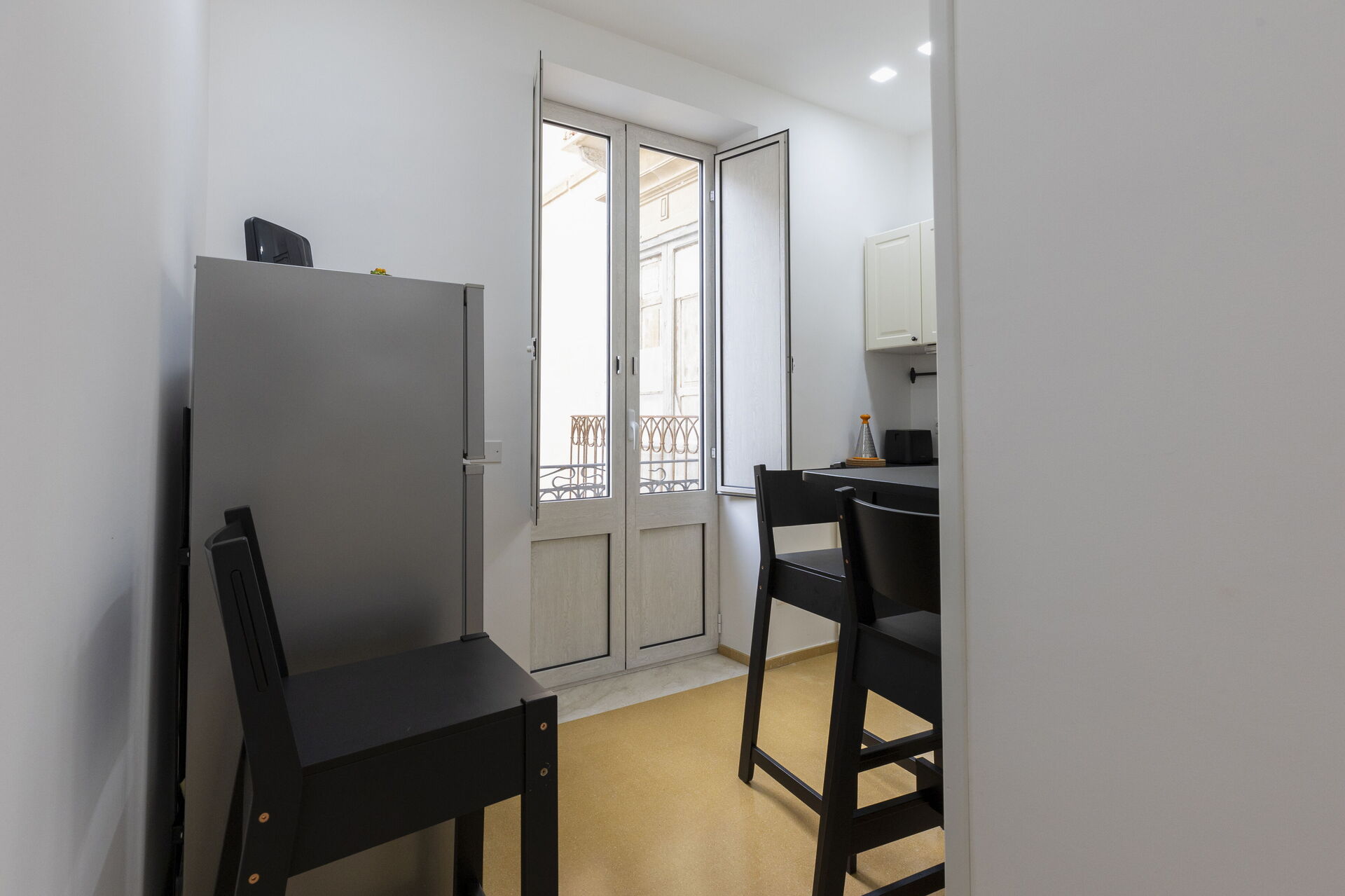
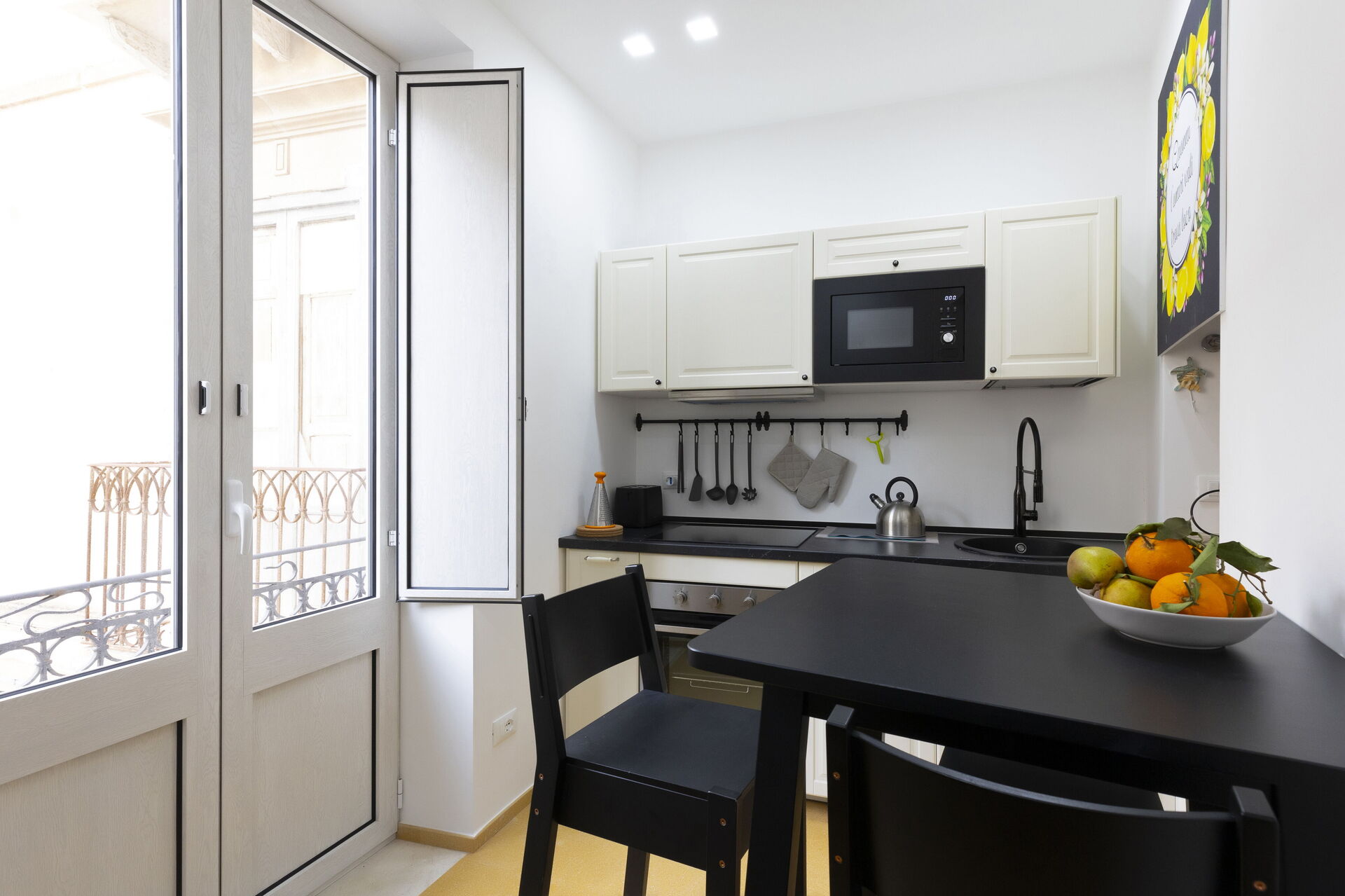
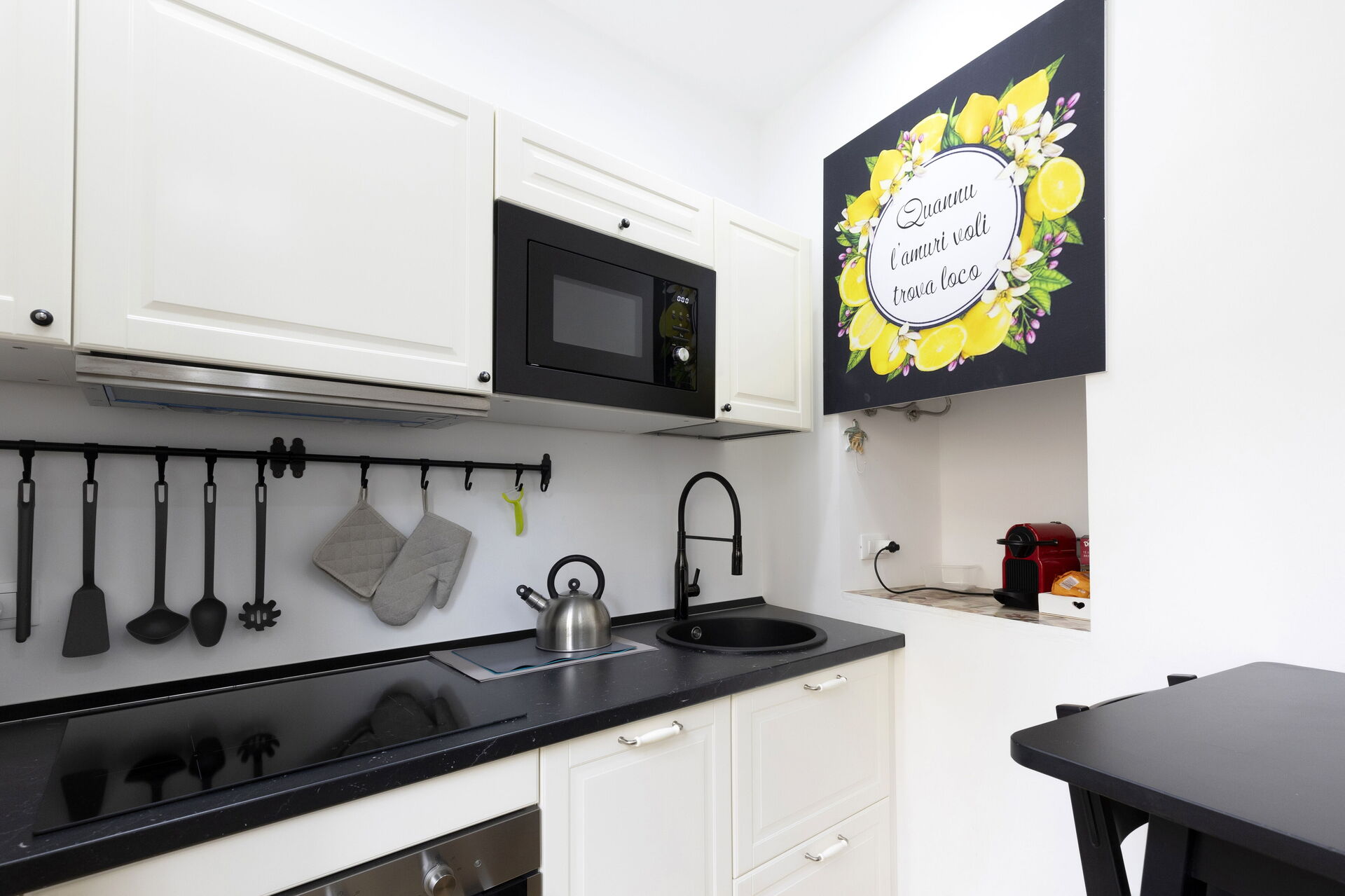
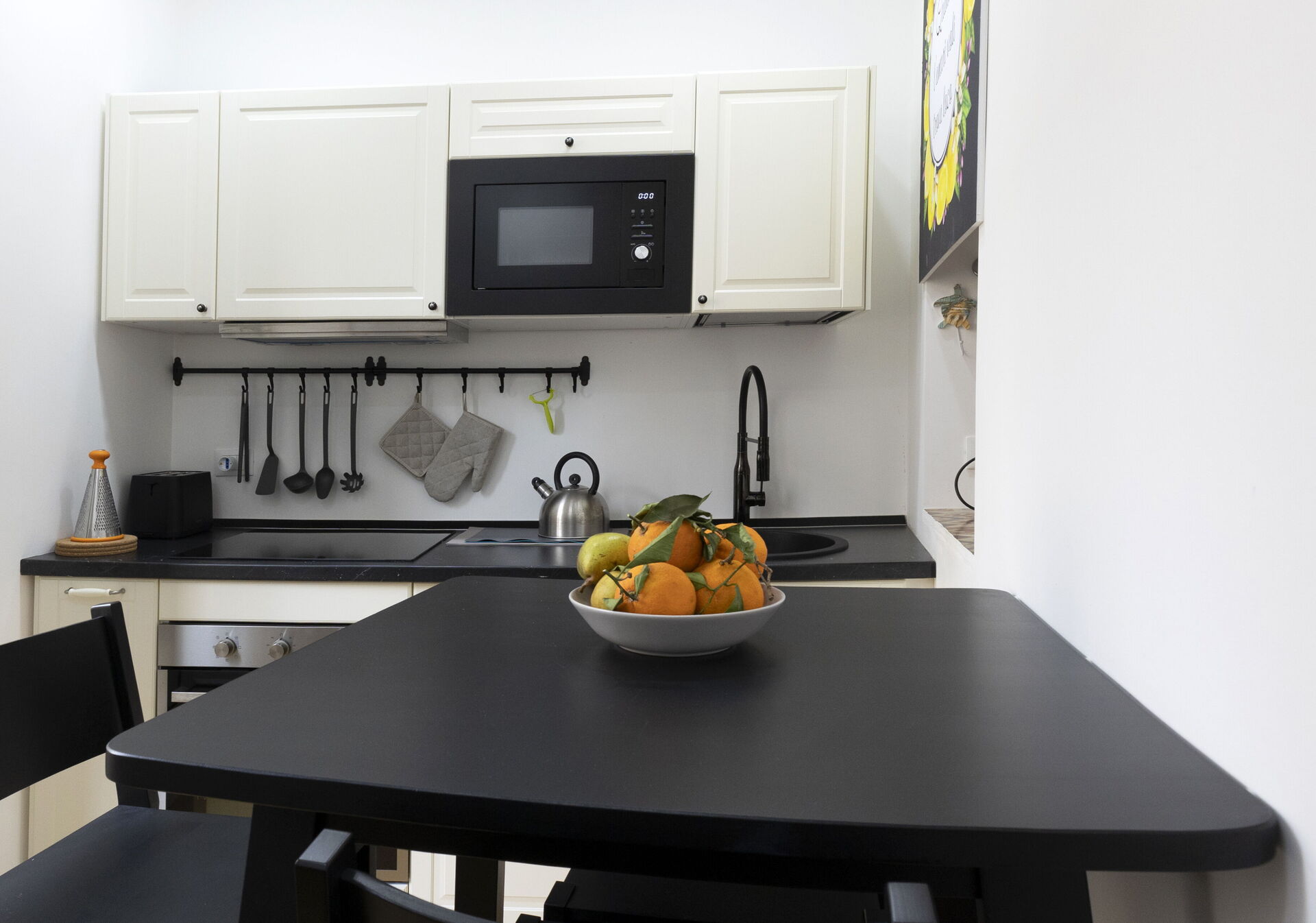
Después de llegar será acogido por el propietario u ama de llaves y encontrará una estupenda propiedad limpia y acogedora ideal para unas vacaciones tranquilas en Sicilia. Uno de los beneficios de estar en una casa de vacaciones sino que en hoteles, es la posibilidad de relajarse tras un largo día de visitas con la familia y los amigos. Al anochecer sigue disfrutando con una buena comida y un buen vino local. Si le gusta cocinar para su familia y amigos hay una cocina bien equipada incluso máquina de café, microondas, tostador, estufa y nevera, así como , muchas vajillas y cubiertos para hasta cuatro personas.
Los Alrededores
La mayoría de la gente de vacaciones quiere visitar a ciudades y pueblos en las cercanías, para su información esta es una lista de lugares conocidos con distancias (en linea recta) en coche de la propiedad: Palermo 105 km, Agrigento 177 km, Cefalú 181 km, Nápoles 829 km y Roma 1029 km.
Otras destinaciones turisticas muy famosas que puede visitar son: Roma 1029 km y Nápoles 829 km.
Más informaciones
Aeropuertos más cercanos (distancias en linea recta): Palermo (Pmo) 78 km, Catania (Cta) 316 km, Cagliari (Cag) 366 km, Olbia (Olb) 628 km and Napoli Capodichino (Nap) 831 km.
Descripción Interior
El acceso principal a la unidad es en la planta 1.
Planta principal
Incluye: cocina-salón, habitación, baño.
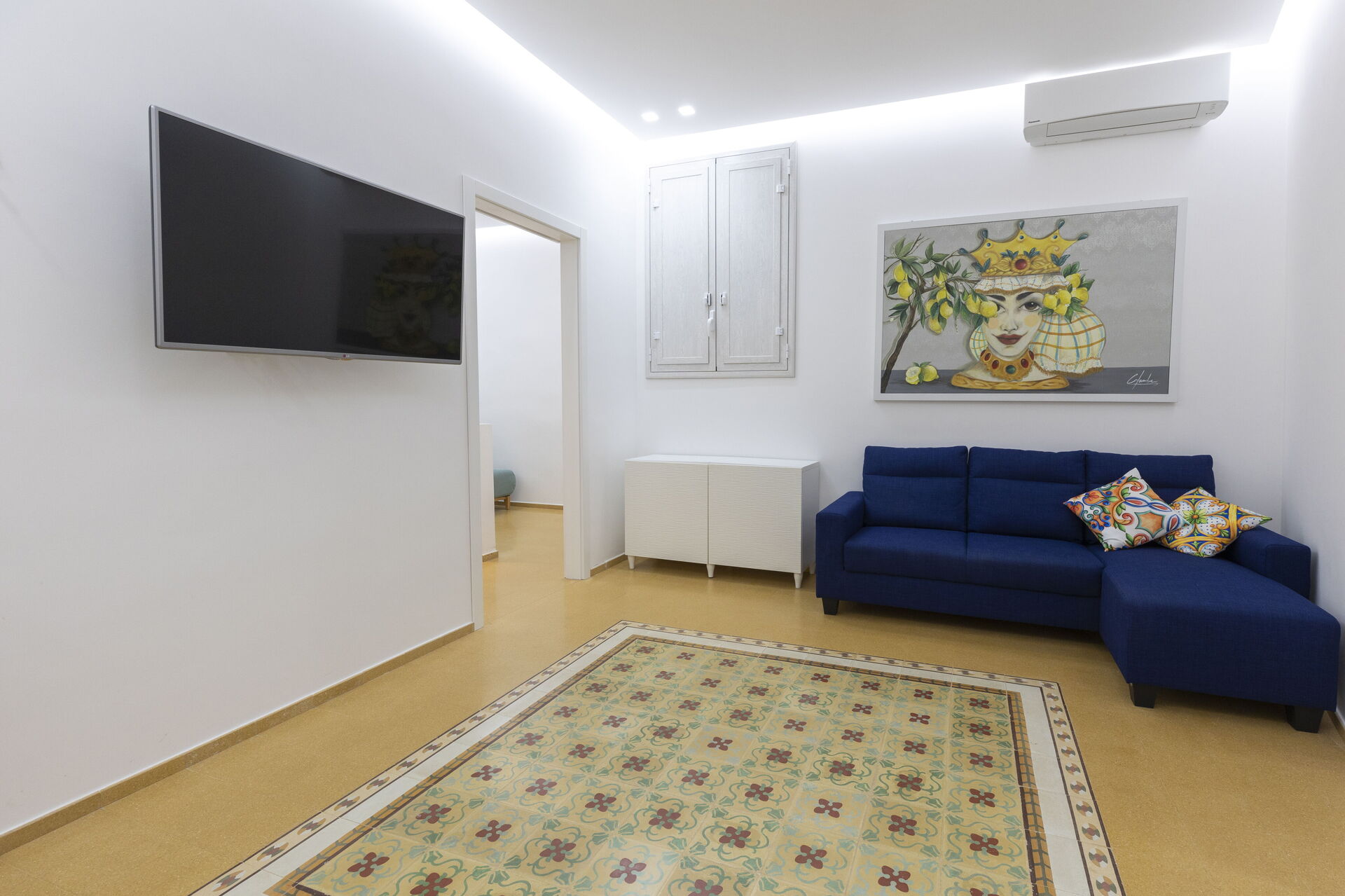
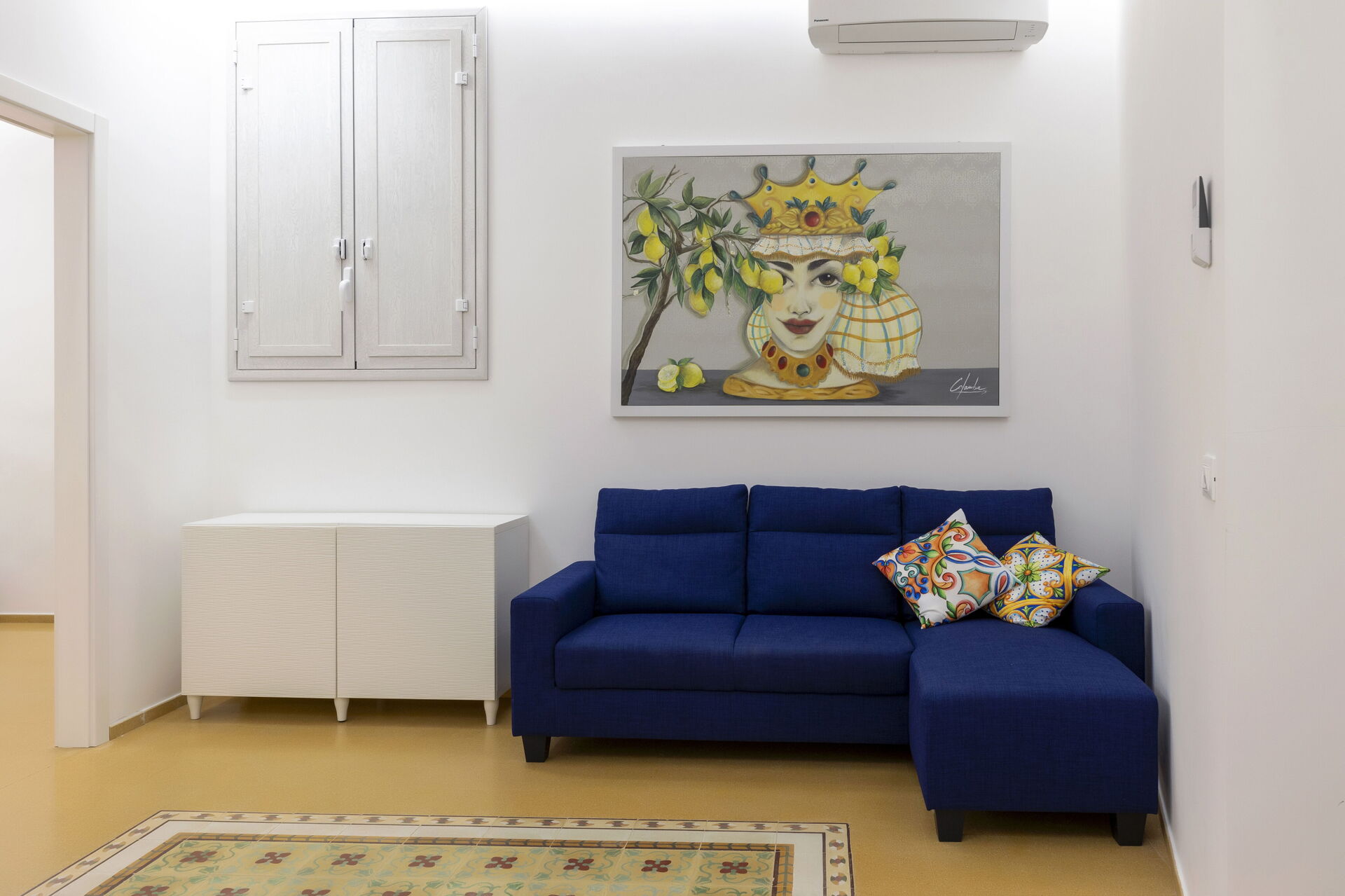
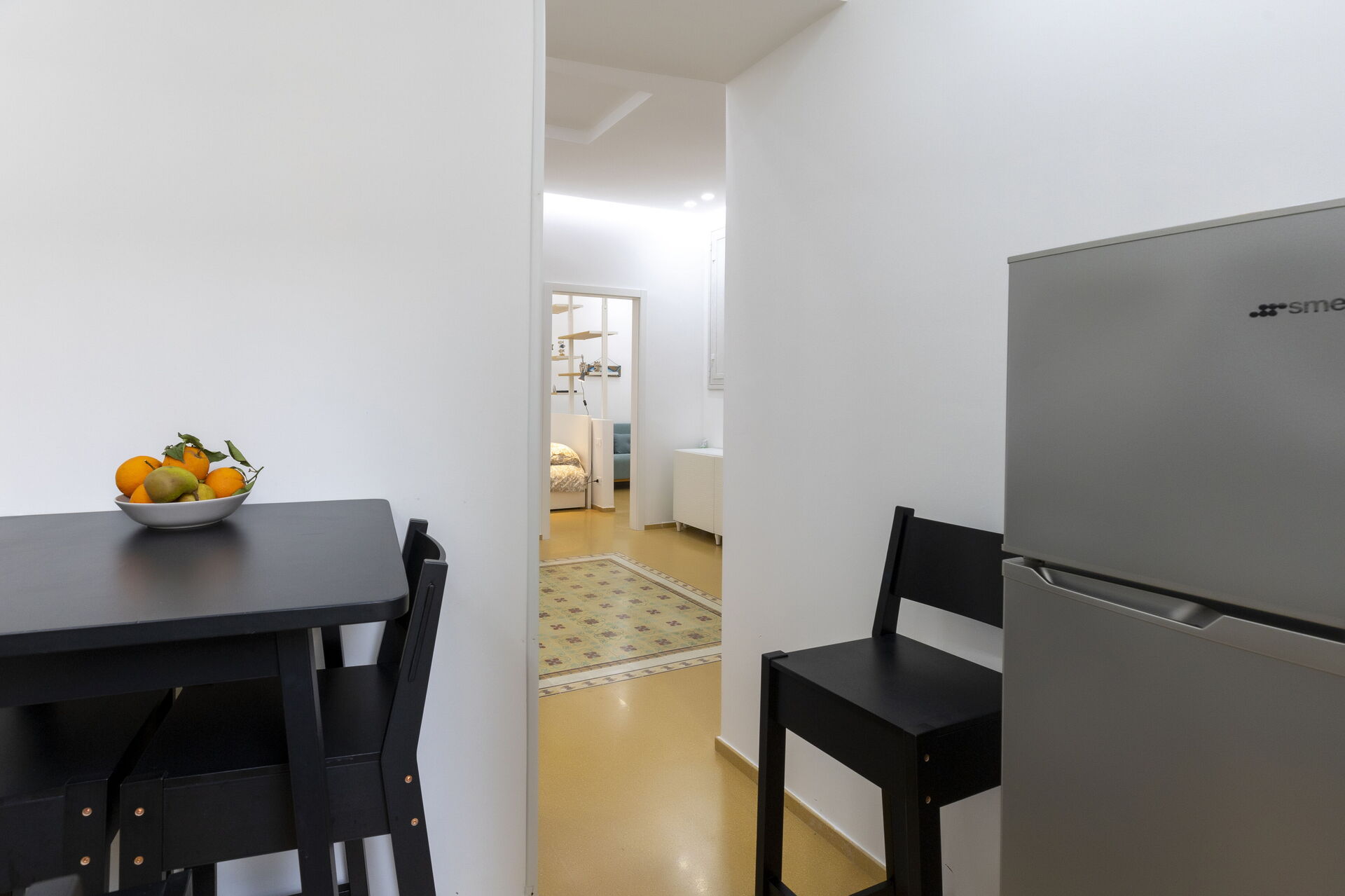
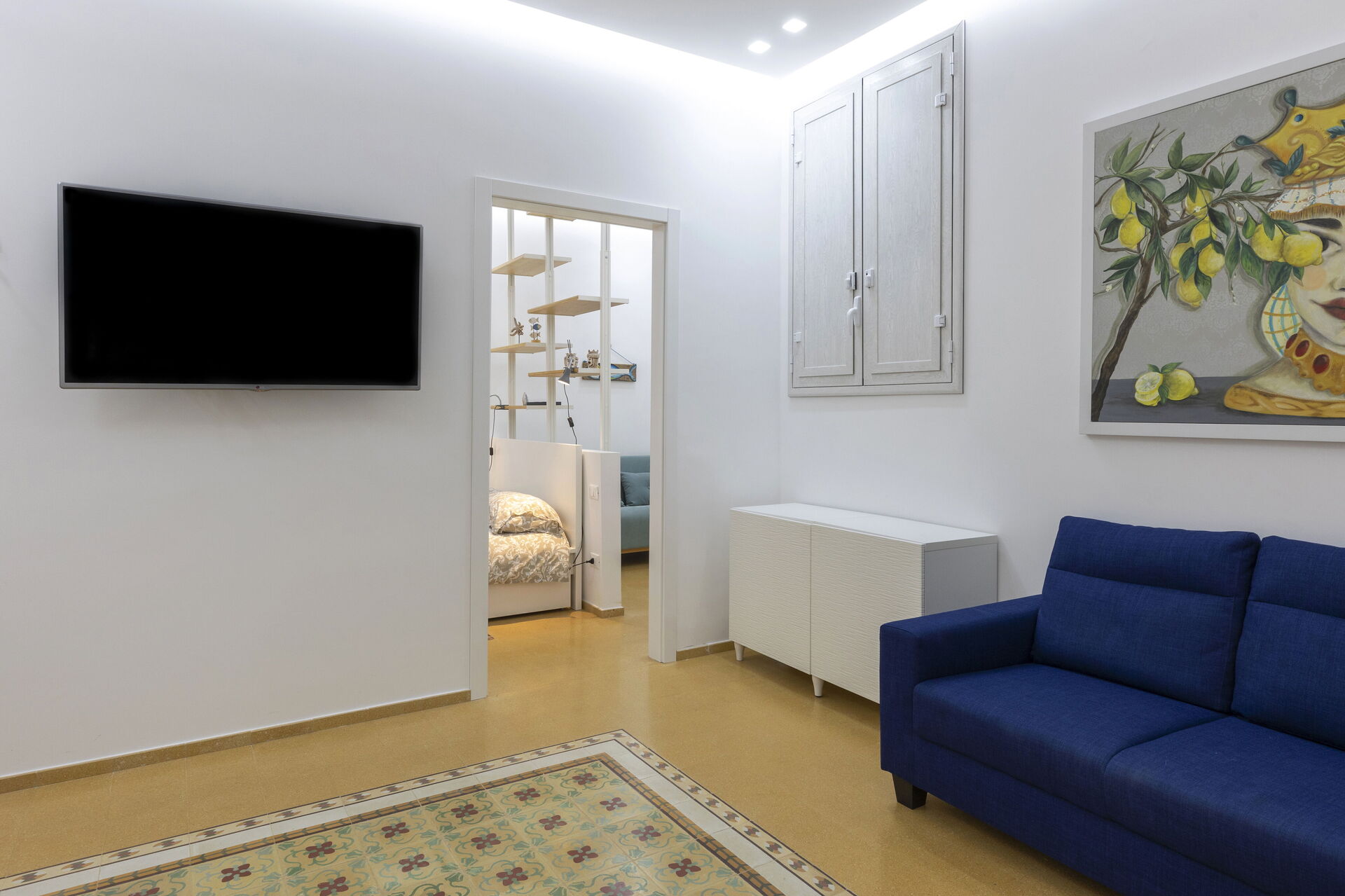
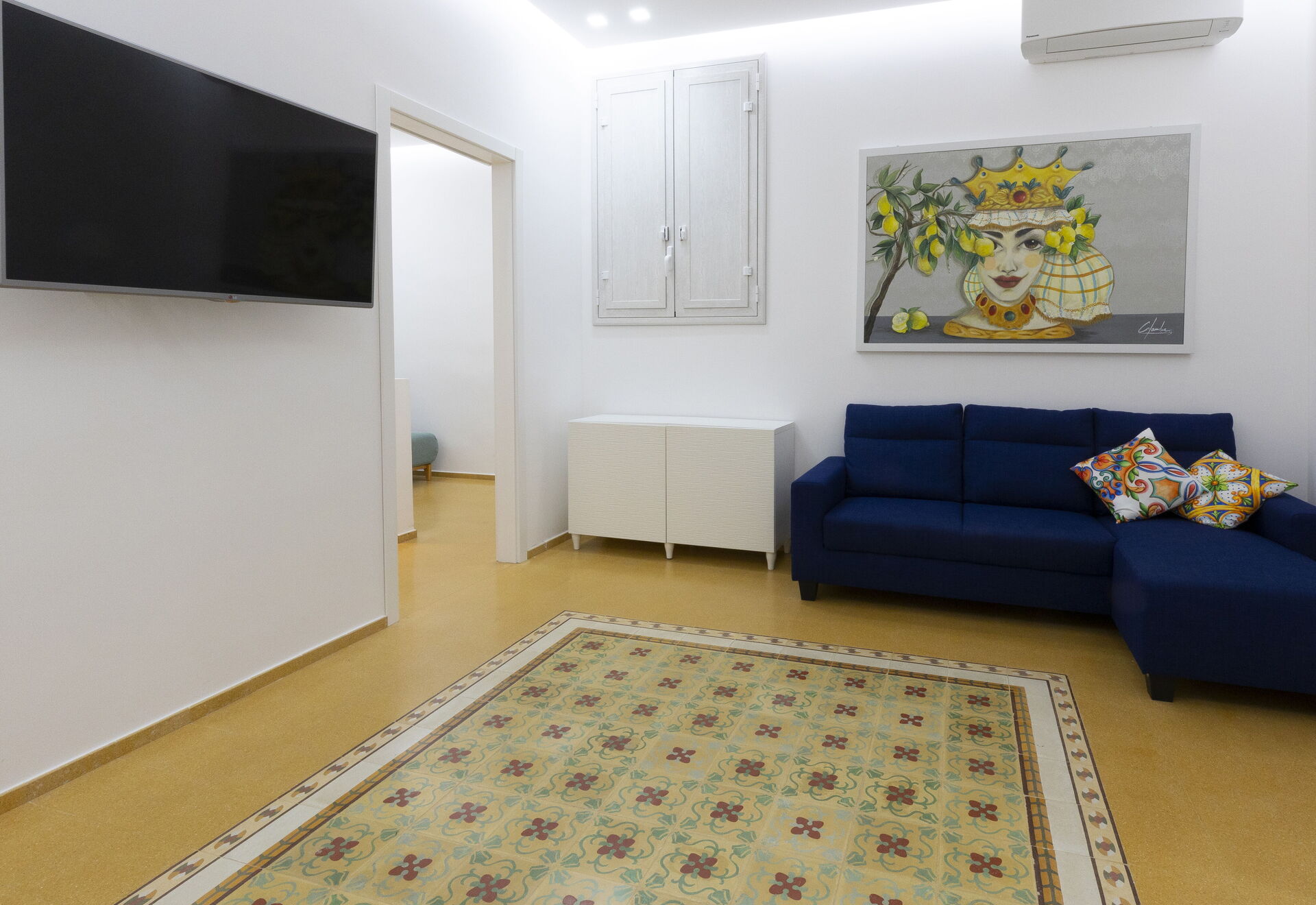
Cocina-salón: cocina bien equipada, mesa de comedor, lavavajillas, frigorífico, cocina de gas, horno, máquina de café italiana, sofa, sillón, WIFI internet, aire acondicionado, tv vía satélite, acceso al balcón.
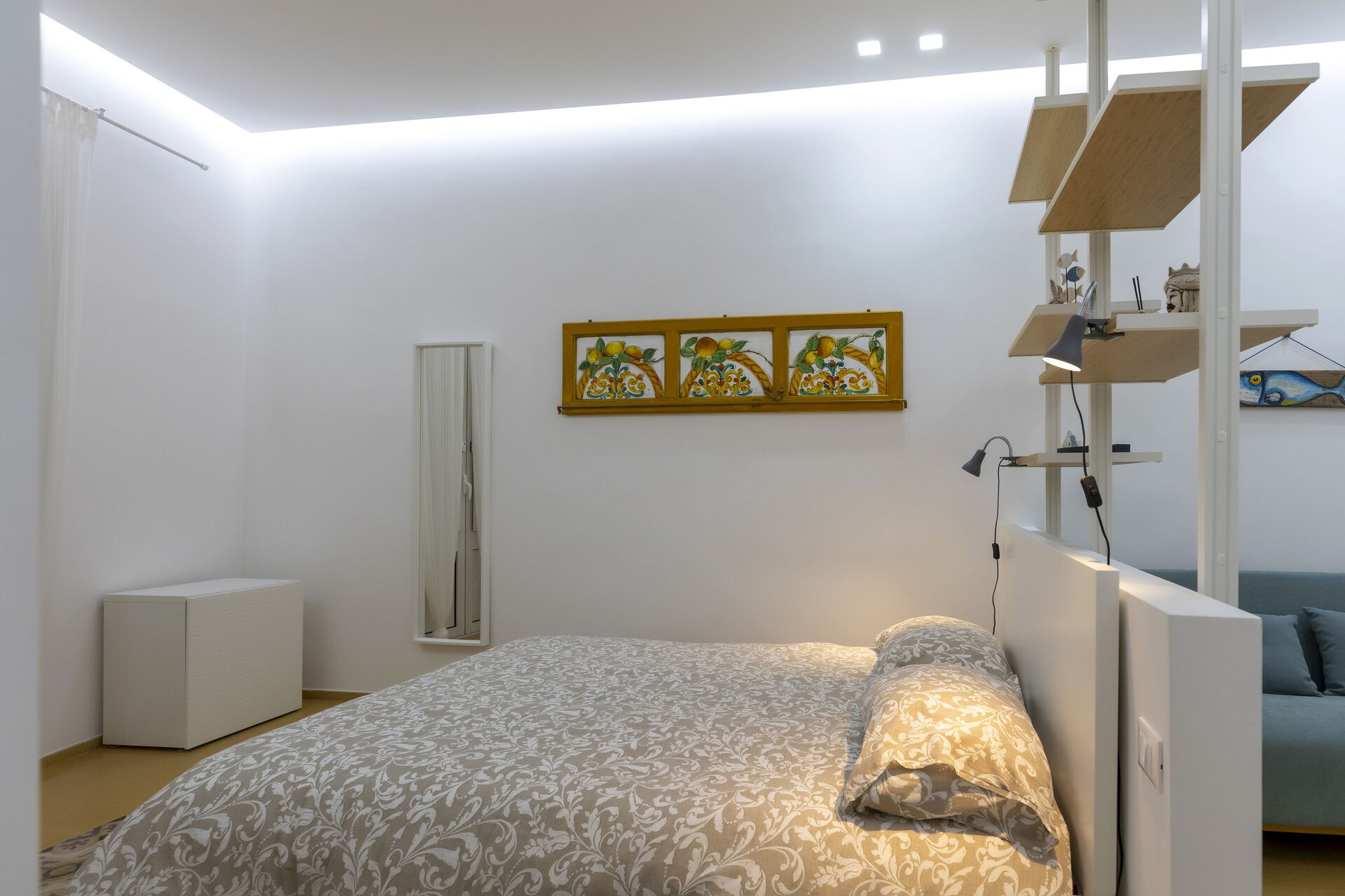
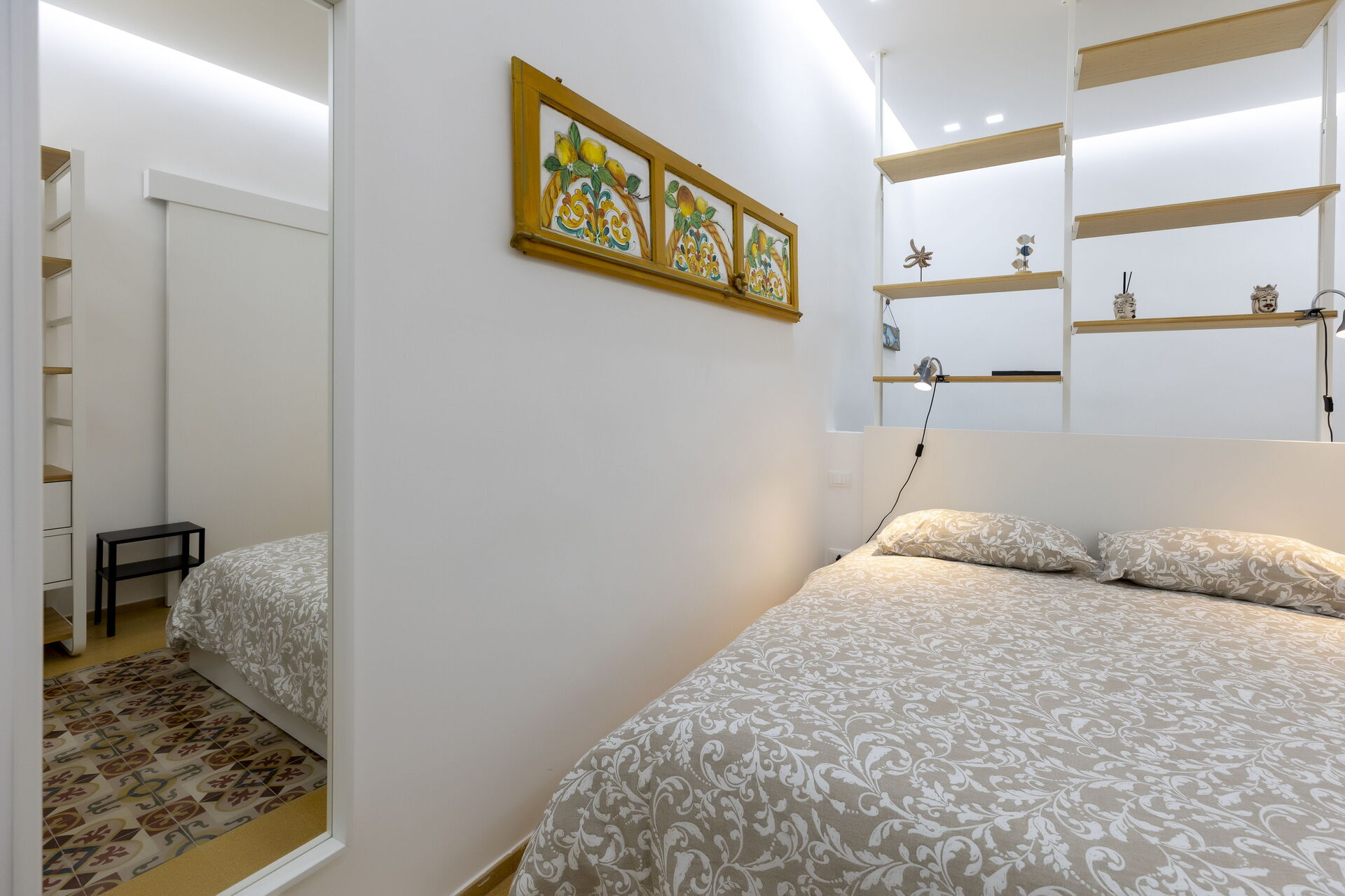
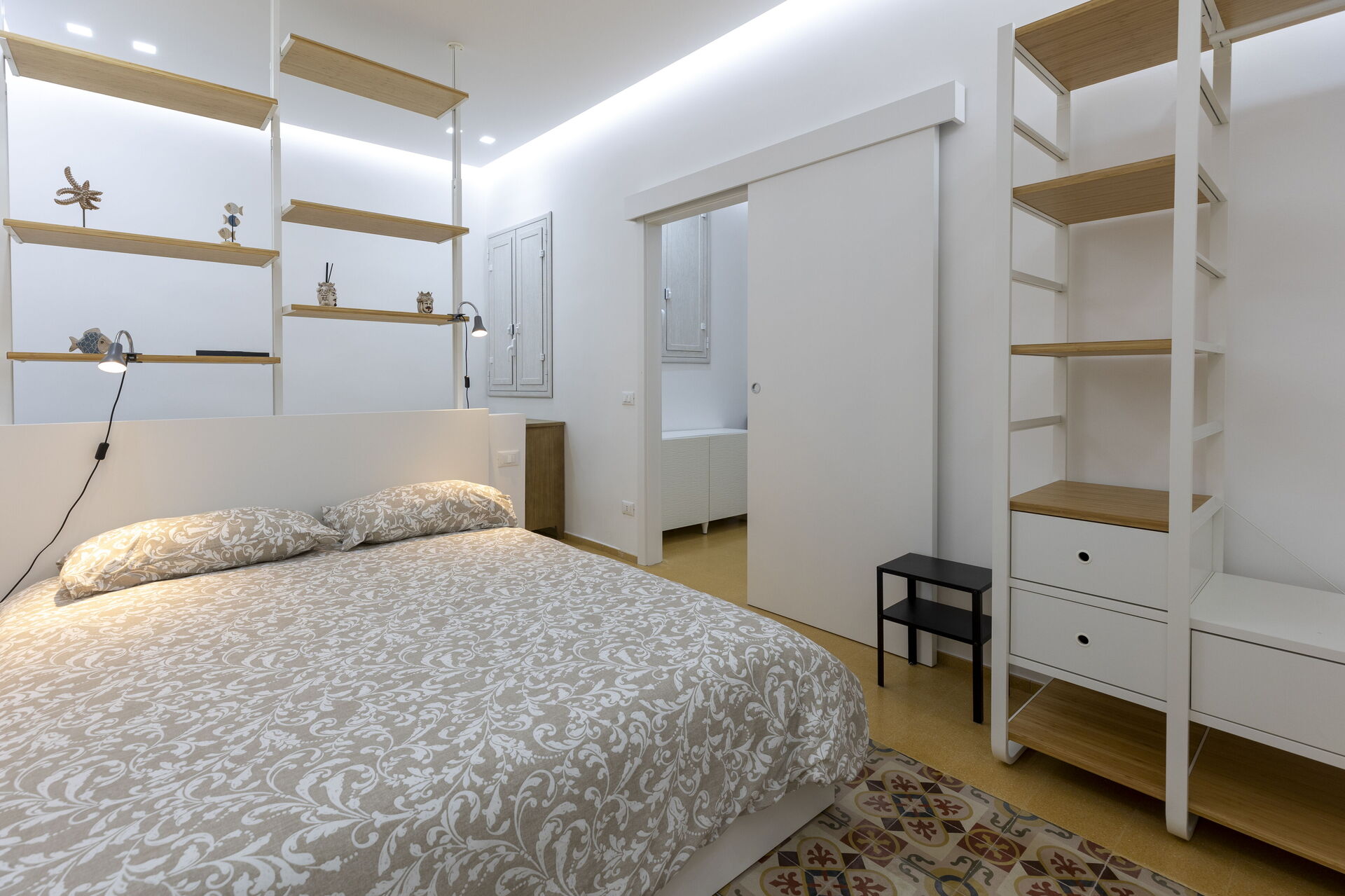
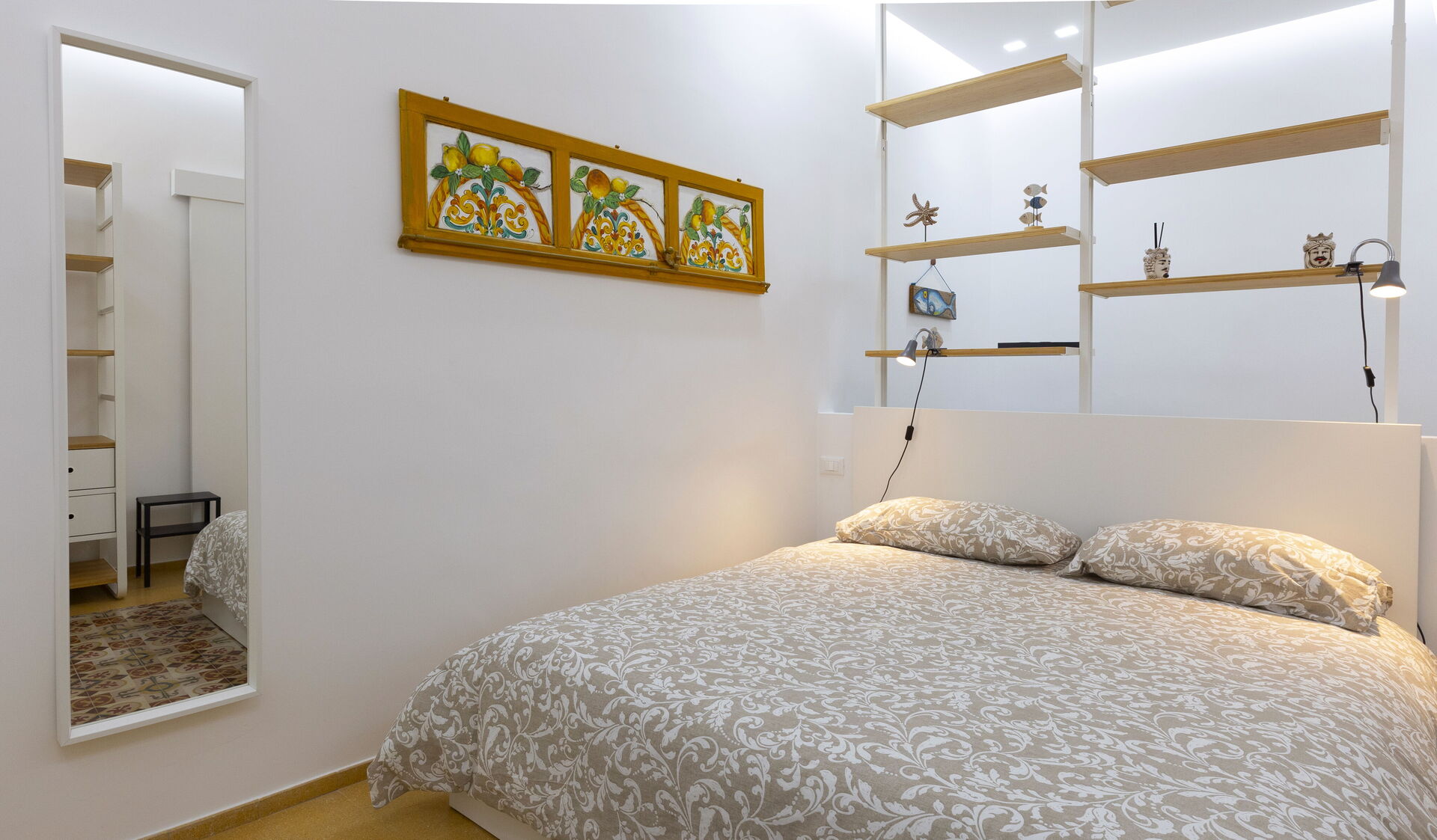
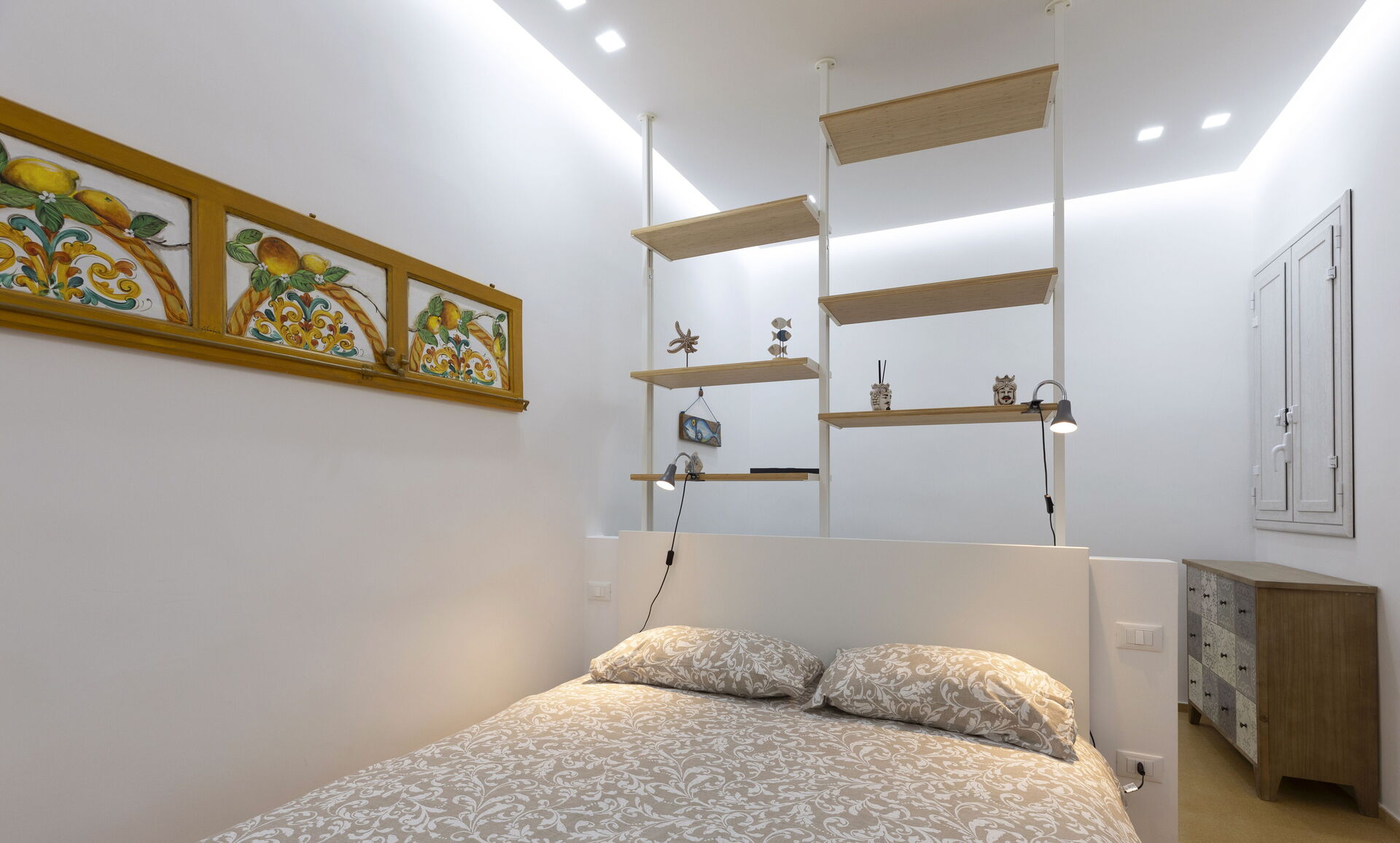
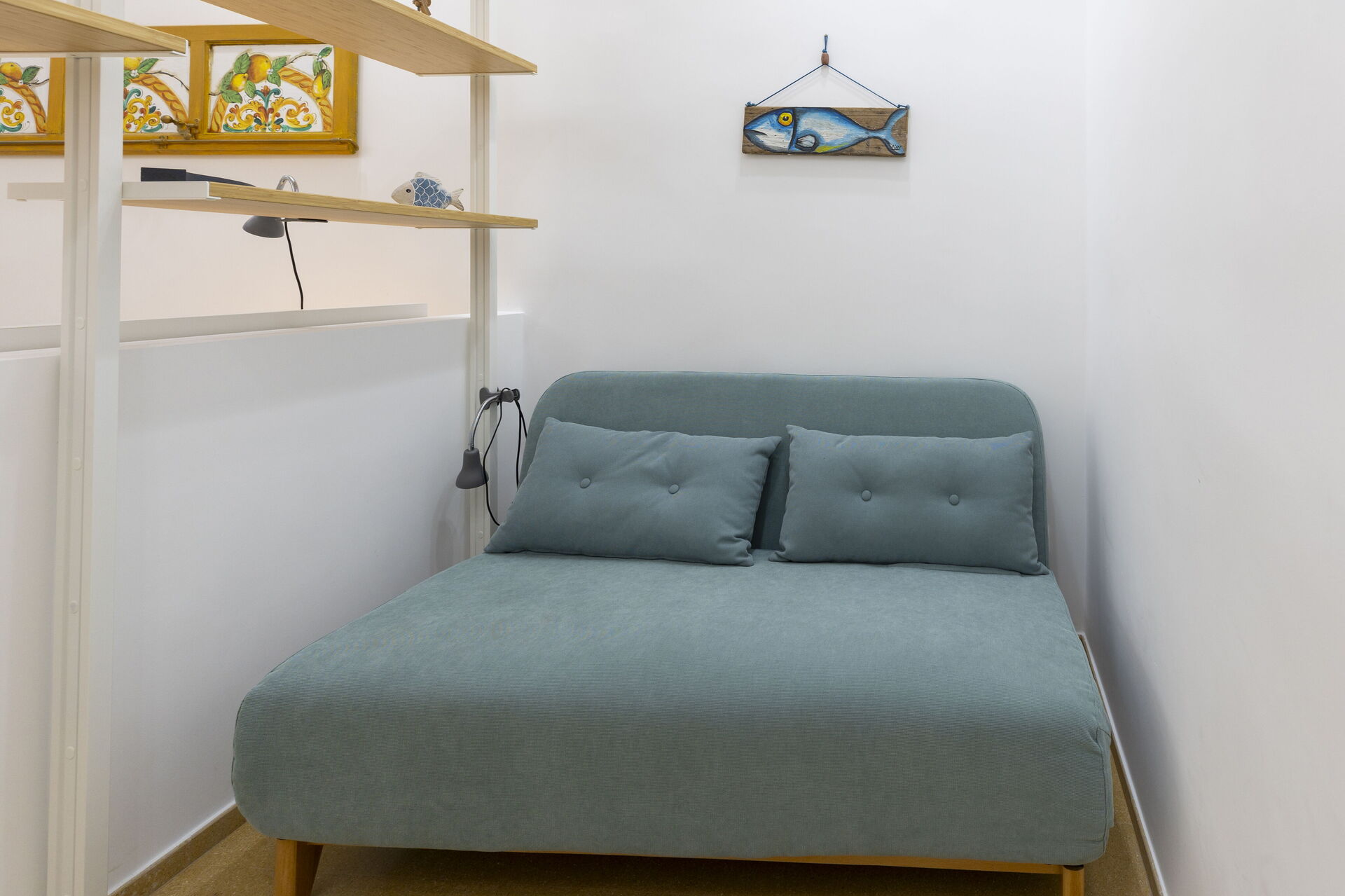
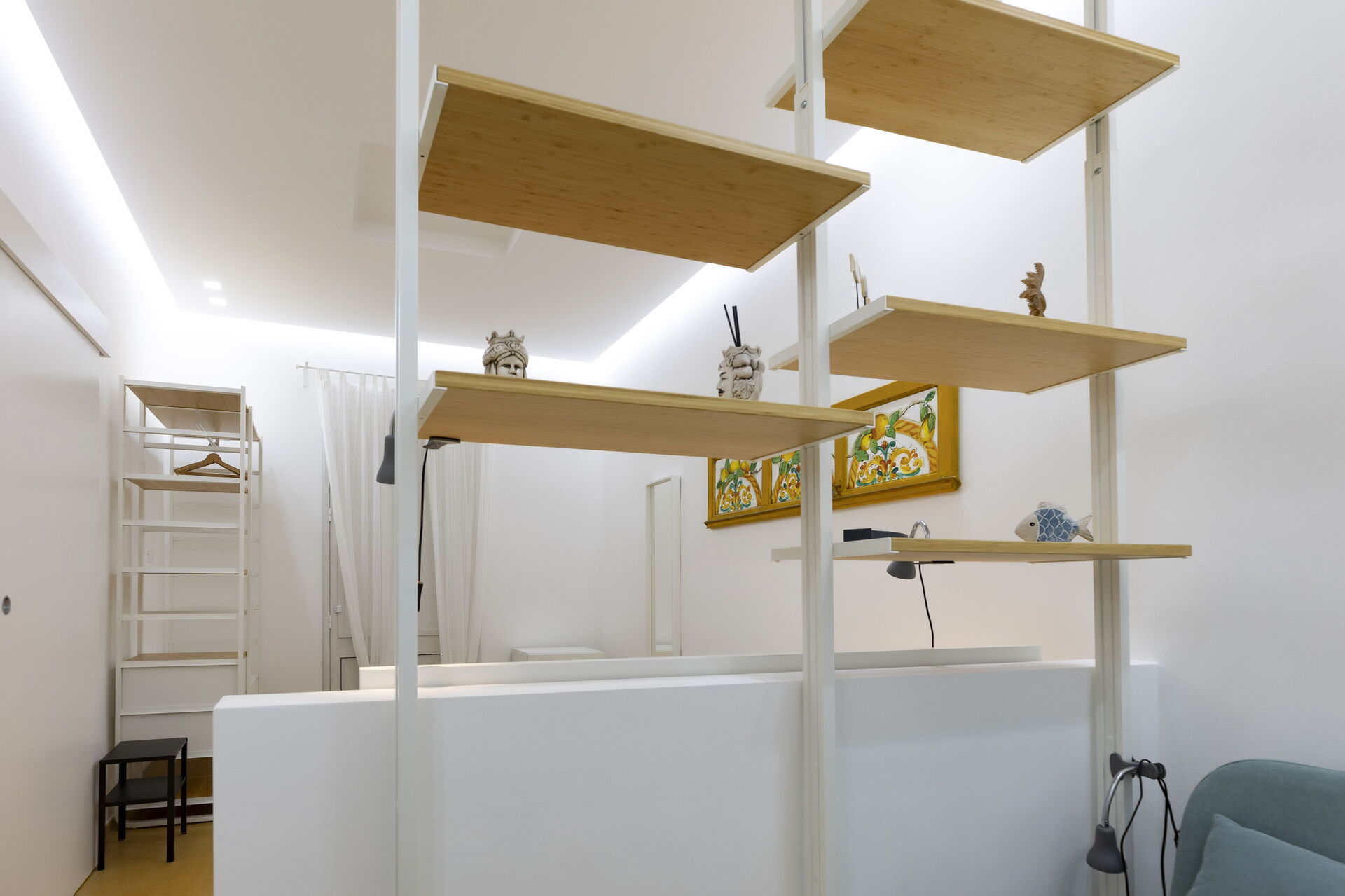
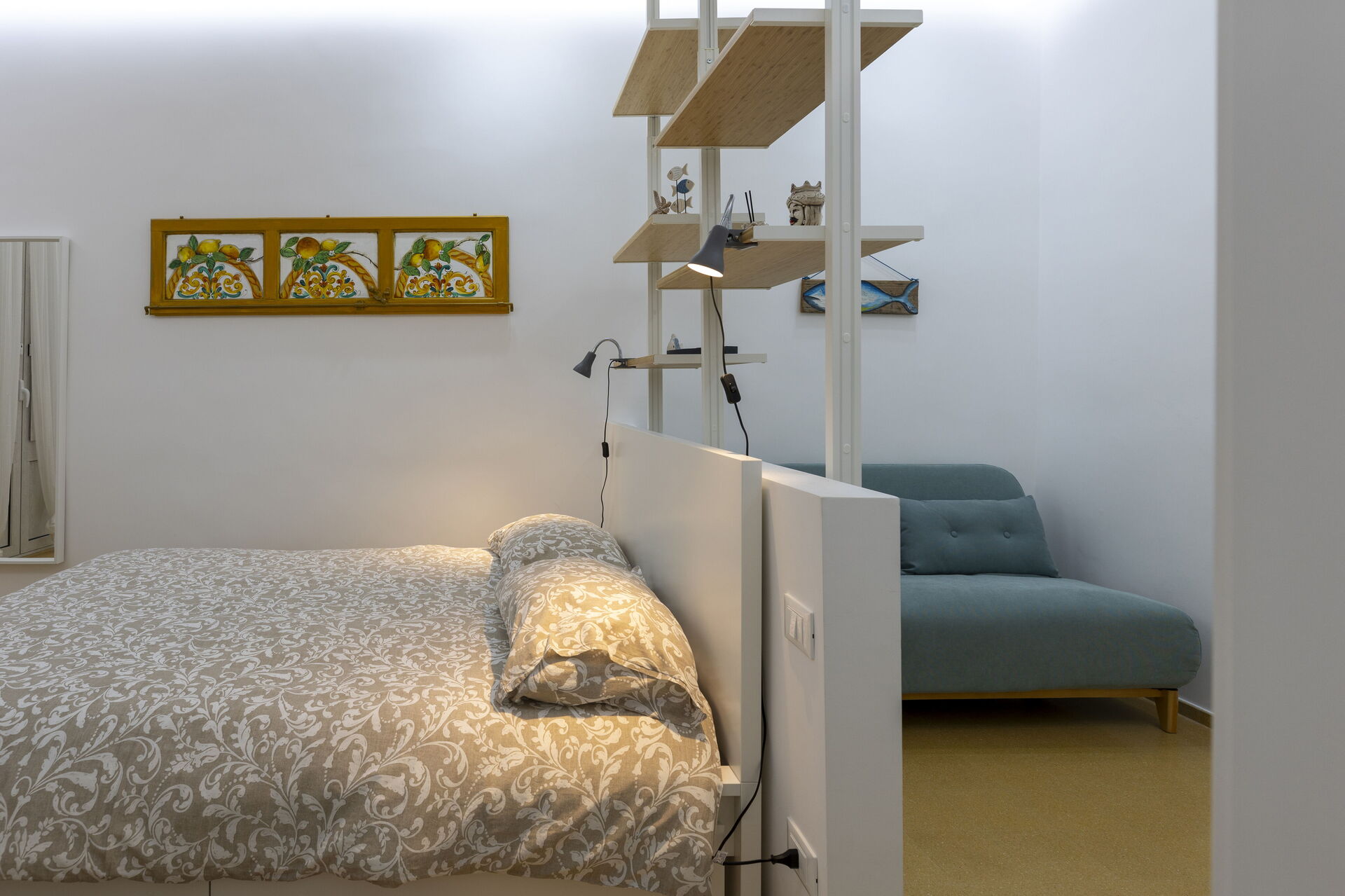
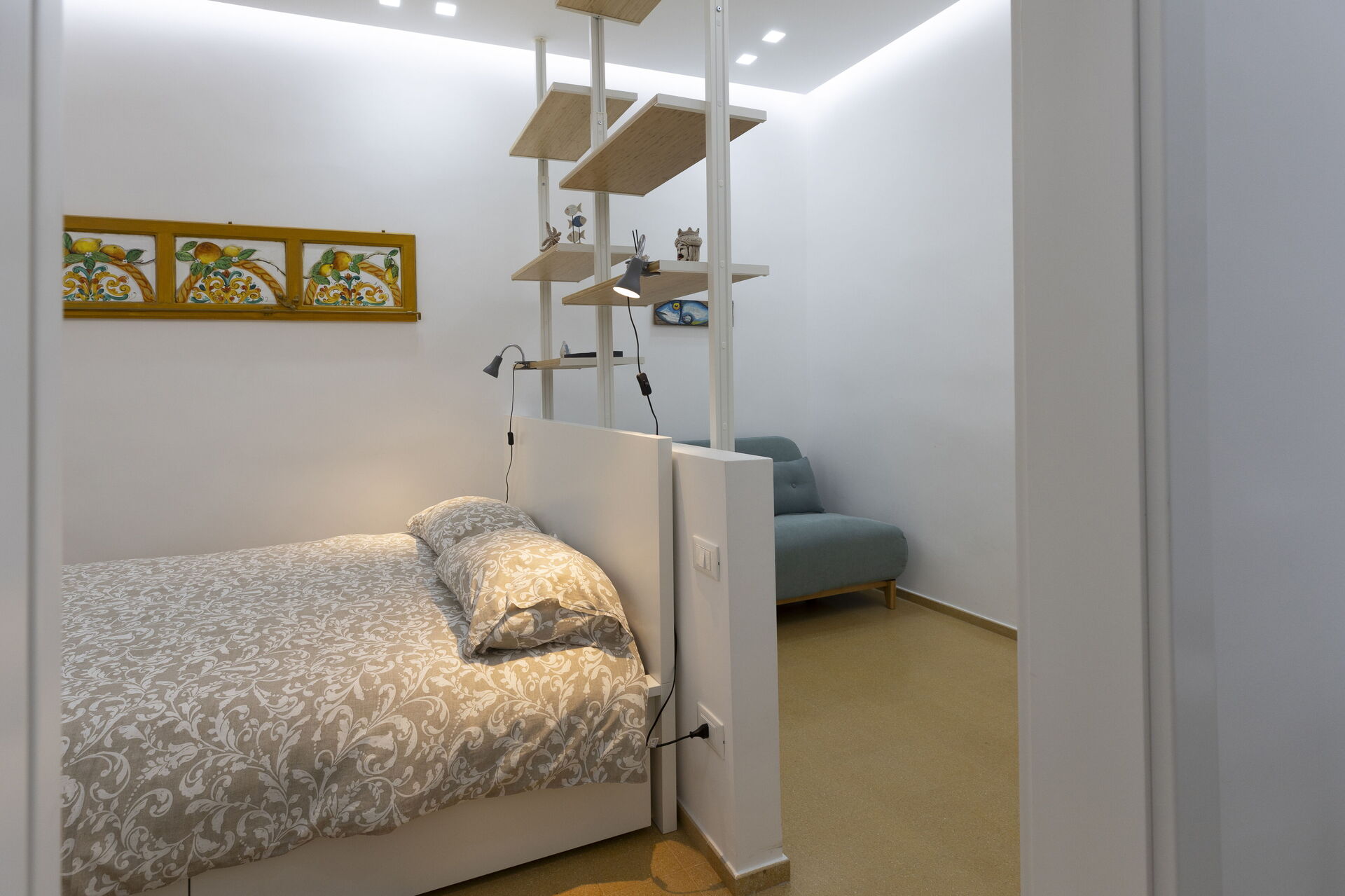
Habitación: cama doble, sofá cama de matrimonio, WIFI internet.
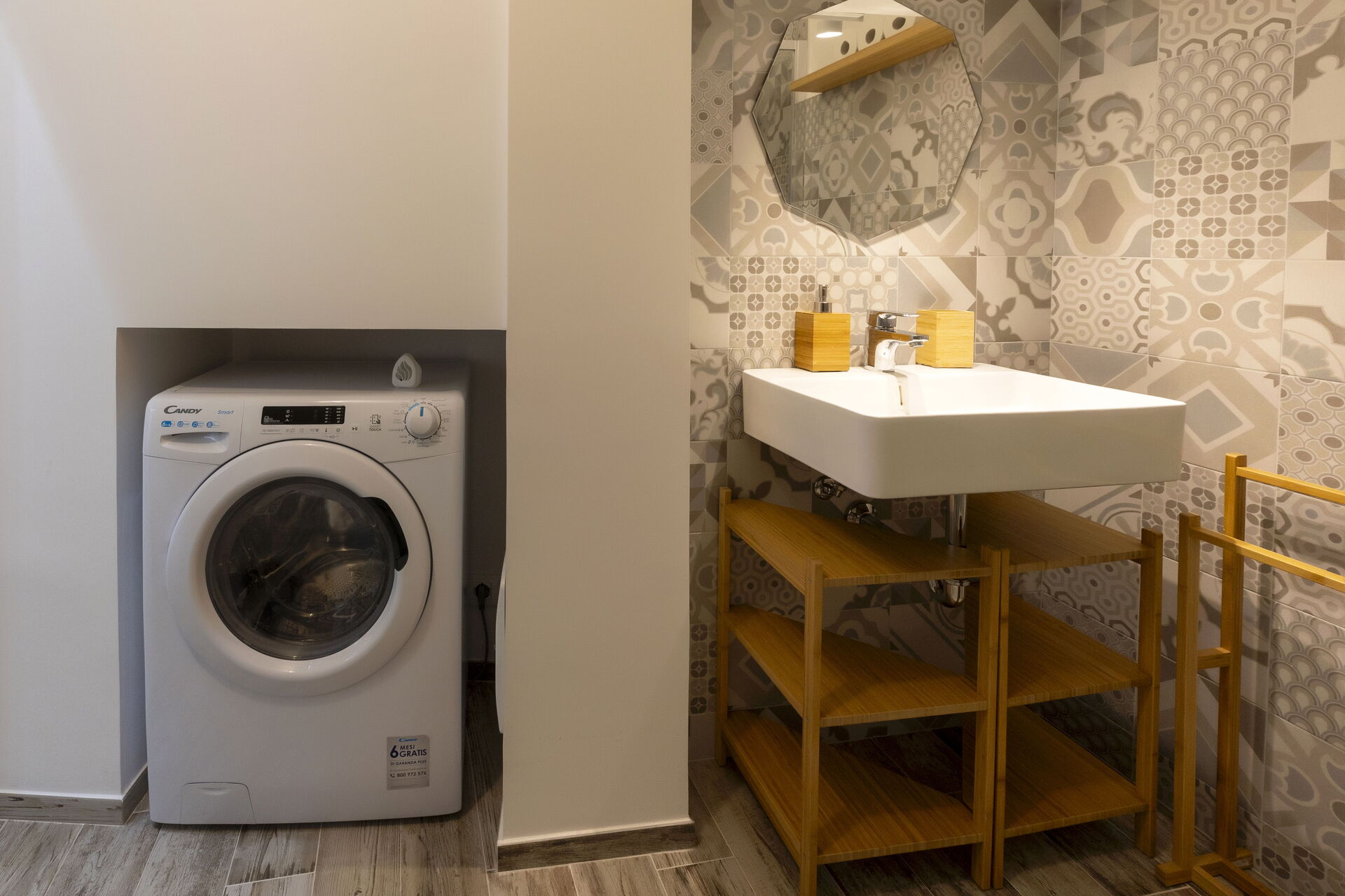
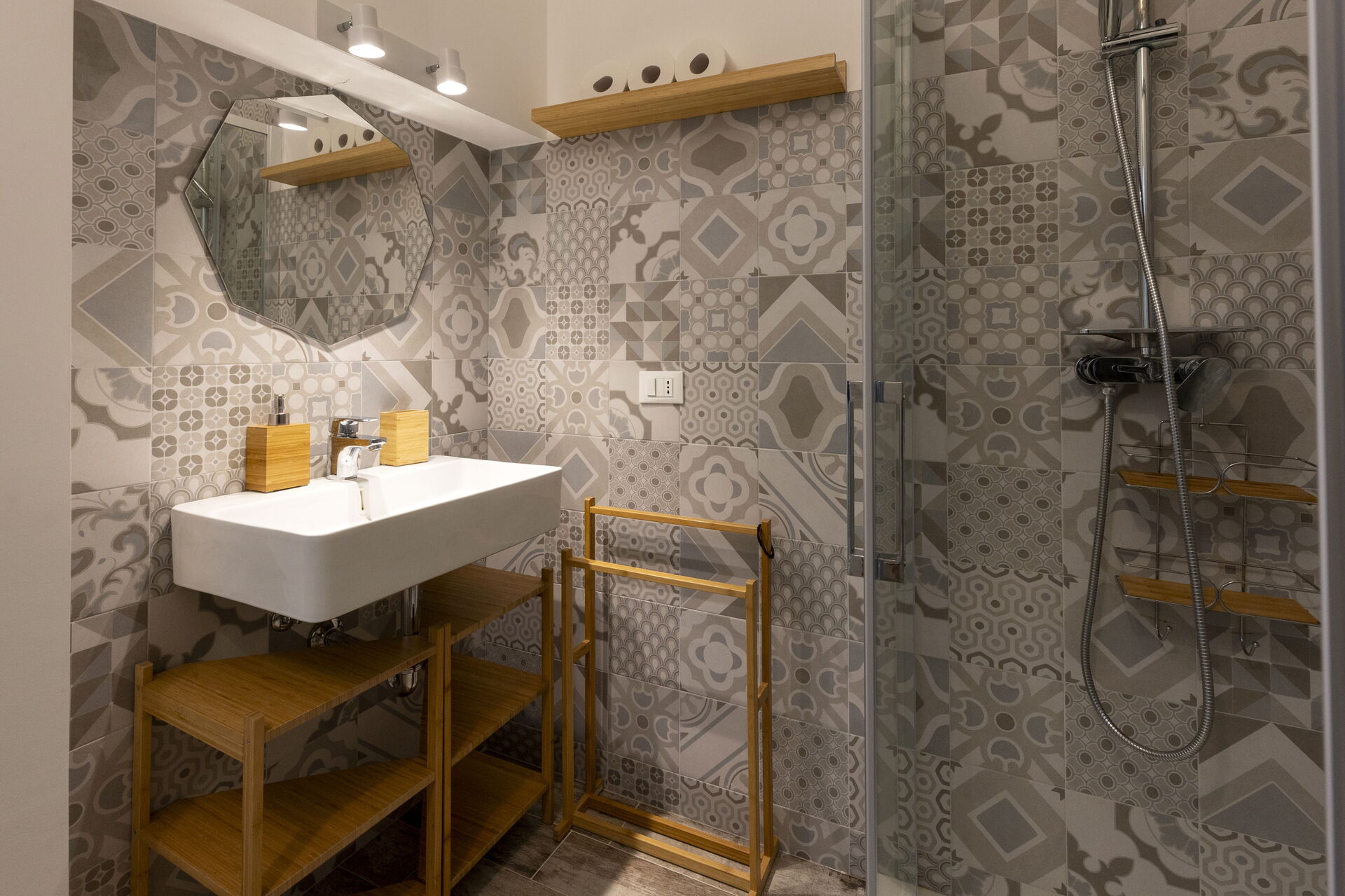
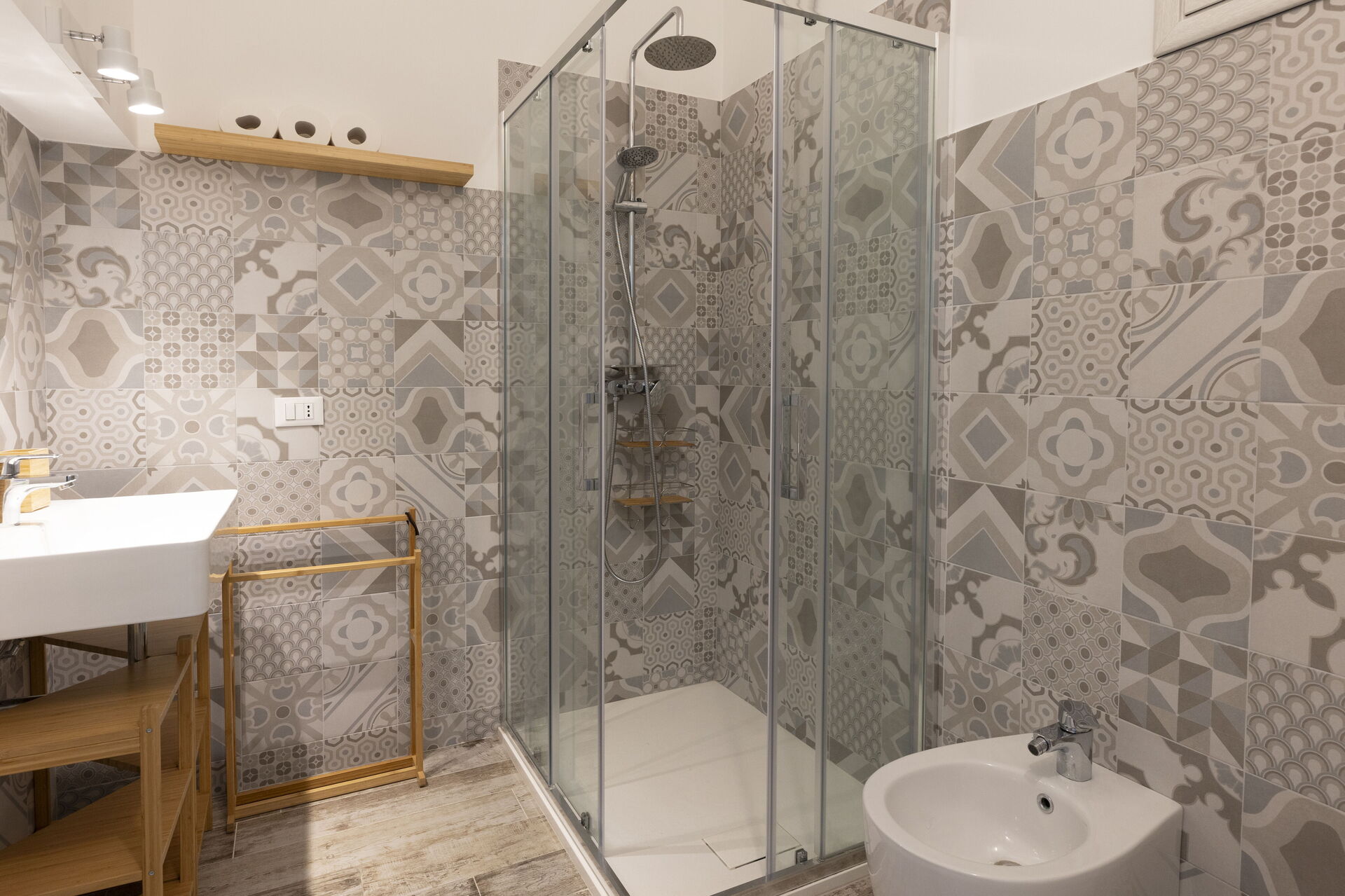
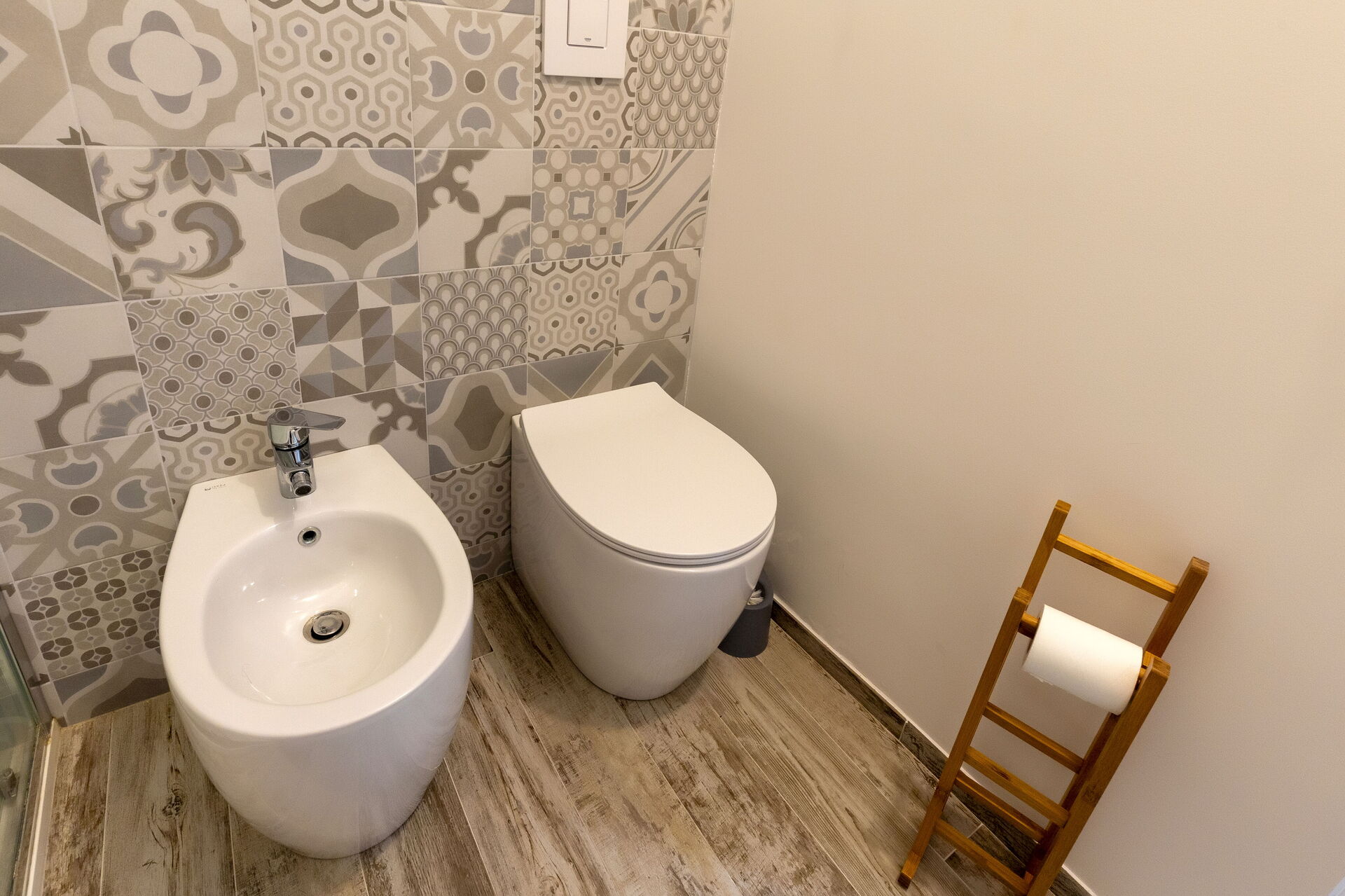
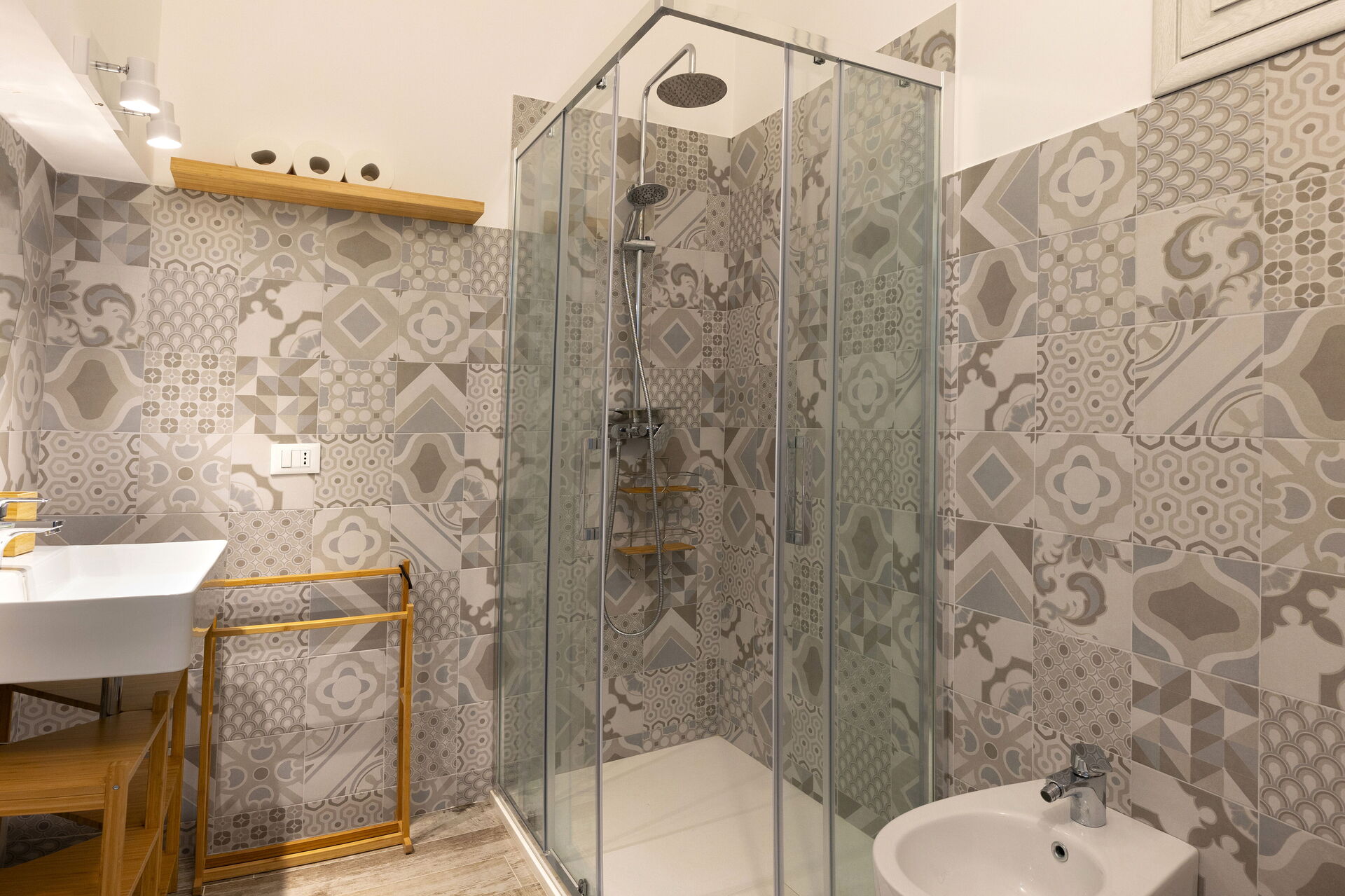
Baño: lavabo, baño, bidé, ducha, plancha, secador, lavadora.
Número de licencia o registro:
19081021C230506
Posición Trapani, Sicilia, Italia

Puntos de interés cerca de la propiedad(Distancias en linea recta)
- Aeropuertos
- Palermo (Pmo), 78.4 Km
Atracciones
Trapani, a fascinating story
When Erice was already one of the most famous places in the Mediterranean, Trapani was just a small village nestled between the slopes of Mount San Giuliano and the sea.
It was the Elimi who built it on the promontory where the district of San Pietro still stands today, formerly called "Casalicchio". In the 8th century BC, with the arrival of the Phoenicians in nearby Mozia, Trapani also became part of the Punic territories and of the Their presence remains in the large expanse of Saline, south of the city.
In this period the city became increasingly linked to Carthage, in fact it was the well-known leader, Amilcare Barca, who strengthened the city walls and built the first nucleus of the Colombaia, works which still today bear witness to a thousand-year history.
In 241 BC with the naval battle of the Egadi, the Romans marked the end of Carthaginian domination and a very long period under their influence began for Trapani.
After a short period, under the rule of the Eastern Roman Empire, Sicily was reborn economically and culturally with the arrival of the Arabs in 827.
The Arab presence remains influenced by art and literature, the legendary contaminations of Trapani cuisine, the rich vocabulary of the local language and the dense pattern of the streets of the historic centre.
With the arrival of the Normans (1097), the port of Trapani, thanks to the customs exemption and the presence of the consulates of the main maritime and commercial cities of the time, returned to the glories of the past; they will alternate, Swabians and Angevins, and after the Sicilian Vespers of 1282 and the consequent expulsion of the French, the Aragonese domination will begin which will last until 1713, and finally the Bourbons will govern it until 1860.
Trapani is a city to be visited slowly, at every step it reveals its ancient past, you will never tire of admiring the beauty of the monuments, the richness of the churches, the elegance of the noble palaces. The city is surrounded by a splendid sea of which you will smell the scent in its streets, the sun enhances the beauty of its buildings, the wind passes through it without disturbing it. You can start your walk from the walls of Tramontana, this route will take you to Bastione Conca, passing through the small port of Porta Botteghelle opened in 1200 and from which you can reach the beach under the Walls.
Continuing you reach Torre di Ligny, an imposing tower from 1671, now home to the Anthropological Museum. Near the tower you will find a suggestive corner of the sea with a tiny church next to it, San Liberale, built on the rocks by coral fishermen in the early seventeenth century.
Walls of Tramontana
From Largo delle Sirene you can admire the Imperial Bastion or Sant'Anna built in 1545 by Charles V to improve the city's defense system. Walking along the small streets of the centre, you will discover warehouses where sailors proudly store and repair their nets.
This leads to the fishing port. The small port has as its backdrop the suggestive Castello di Mare or Colombaia, one of the symbols of the city. It was the Carthaginian Hamilcar Barca, in 260 BC. to build the first tower to defend the city. It is said that the doves sent as gifts to the goddess Astarte from nearby Carthage stopped in this place before climbing to the peak of Erice, hence the name Colombaia.
It is possible to go around the fortress only with a boat, since it is half surrounded (to the east) by a strip of land and the remaining part by the waters of the Mediterranean.
Very close by are the Lazzaretto, built in the early 1800s with the function of hosting, for the quarantine period, the crews of boats at risk of epidemic, and the Villino Nasi, with its interesting Byzantine chapel.
Leaving the sea behind us we return to Via Torrearsa where the oldest access gate to the city dating back to the 13th century is located. Porta Oscura, and on it is the famous Clock Tower. In 2011, thanks to the work of a skilled craftsman from Trapani, Danilo Gianformaggio, this original Astrological Clock from 1596 was restored to its functions. It is made up of the "Sun" Quadrant and the Lunarium at the center of which is the Planet Earth, the hand with the lily tip it marks the 24 hours, the Sun hand marks the alternation of the Seasons while the Moon disk signals all the lunar phases.
Further away, in Via Ammiraglio Staiti, there is the Bastione dell'Impossibile, built around 1560 and recently restored to its former glory. The Churches and Convents are a constant feature of the urban fabric, evidence of a religious presence that began with the arrival of the Normans and was consolidated under the influence of the Spanish.
At the beginning of via Garibaldi there is the Badia Nuova or Santa Maria del Soccorso, one of the oldest churches in the city, commissioned by Belisario in 536.
Continuing along Rua Nuova we find Sant'Alberto, now home to art exhibitions rte, and the Church of Santa Maria dell'Itria renovated in the 17th century. with an interesting façade and a three-nave interior full of works of art including a sculptural group by Andrea Tipa depicting the Holy Family.
In the nearby Via Barone Sieri Pepoli stands the 16th century Church of San Nicola. and going up via Carreca you arrive at the Church of San Domenico, granted by James of Aragon in 1289 to the Dominican fathers and enlarged by a convent in the 14th century. In the same square stands the Church and monastery of Badia Grande which is no longer open for worship and further on is the Church of San Generoso.
Don't miss the Church of San Pietro, dating back to the early Christian era, where the famous Organ by Francesco La Grassa is located, one of a kind, restored and solemnly inaugurated in 2003.
In the area of Corso Vittorio Emanuele or Rua Grande, the delightful Piazzetta Saturno reveals the Church of Sant'Agostino from 1100, a former Templar chapel whose façade proudly displays the original and large Gothic rose window. Nearby is the beautiful Church of Santa Maria del Gesù, from the 16th century, inside which houses a precious Madonna degli Angeli by Andrea della Robbia.
Behind Piazza Scarlatti is the former church of San Giacomo, now home to the Fardelliana Library, known for its rich collection of manuscripts, the newspaper library and collections of works from the 16th, 17th and 18th centuries and ancient prints, including engravings. of Piranesi.
Returning to the Corso we still find the Church of the Jesuit College, with an interior with three naves decorated with stuccos by a pupil of Serpotta, Bartolomeo Sanseverino, the superb Cathedral of San Lorenzo from 1300, renovated in 1639 with various architectural solutions by G.B. Friend. Inside there is a Crucifixion attributed to Van Dyck.
The dome of the Church of San Francesco D'Assisi erected on an ancient church founded in 1272 by the Franciscan friars emerges from the urban layout together with that of the Church of Purgatory, guardian of the Mysteries of Trapani, and that of the Cathedral.
The Villa Margherita and the large Piazza Vittorio Emanuele II act as a border between the historic center and the newer part of the city.
From there we can begin our itinerary to discover the dozens of noble palaces present in the city.
The sequence of Baroque or neoclassical style buildings along the streets gives no respite, it is impossible not to stop and admire them.
An interesting example of Art Nouveau is given by the Palazzo delle Poste, the work of the architect Francesco La Grassa and in the Port the Casina delle Palme next to which stands the luxurious Grand Hotel from 1890. Walking along Via Garibaldi you can admire the Palazzo Riccio di Morana from 1773, the Palazzo Annibale Fardella from the 18th century, the Palazzo Milo from the 17th century, and the Palazzo Staiti from 1800.
In via Torrearsa, as a backdrop to Corso Vittorio, is Palazzo Cavarretta, built in 1672 on the site where the Loggia dei Pisani stood by Giacomo Cavarretta. The magnificent building, on three levels, now the seat of the Municipality, was the seat of the Senate of Trapani.
The Palazzo Alessandro Ferro from 1775 has a clock and medallions with busts of illustrious figures of the Ferro family on its façade.
Then again Palazzo Riccio with a beautiful Baroque style façade and nearby Palazzo Papè Lombardo today the seat of the Bishopric.
The Palazzo Sanseverino from 1607 was used as a residence by the viceroy of Sicily when he came to visit Trapani.
Palazzo Maccagnone, a building with stylistic elements mixed between Gothic-Renaissance and Baroque, and the Palazzo della Vicaria, used as a prison from 1628 until 1965.
The Palazzo Lucatelli from 1455, in the square of the same name, home to the city's first hospital, and the beautiful Palazzo della Giudecca characterized by diamond-shaped ashlars and built by the Ciambra family in the heart of the Jewish ghetto cannot be excluded from this list.
There is no doubt that the sea remains the main component of the urban landscape, its colors mix with the colors of the tuff of the ancient buildings and its scents create an indefinable atmosphere especially on windy days. The entire northern coast is a succession of lidos and free beaches. Not far from the historic center is the Sanctuary of the Madonna of Trapani, immersed in a corner of greenery, where a stupendous fourteenth-century marble statue attributed to Nino Pisano and considered one of his most beautiful works is venerated. This Sanctuary built by the Carmelites in 1224 was expanded around 1770 by the architect Giovanni Biagio Amico in Baroque style and is a destination for pilgrimages, especially in August.
Adjacent to the Sanctuary is the former Convent of the Carmelite Fathers, today home to the prestigious "Pepoli" Regional Museum. The Museum has one of the most interesting collections of applied arts, of artefacts in coral, gold, silver, majolica and nativity sculpture, from the the XVII and XVIII. Named after its founder, Count Agostino Sieri Pepoli, it also collects significant works of sculpture and painting, including a San Giacomo, a masterpiece by Antonello Gagini, a polyptych from the early century. XV, a painting attributed to Titian and a work by Giacomo Balla, the portrait of Nunzio Nasi.
Around
Just outside the city, along the Via del Sale you reach one of the most interesting places in terms of landscape, where history, myth and the work of man mix in a magical place: The salt pans of Trapani
In the summer season you can watch the salt harvest.
Transporte Local
Trapani Airport 18 km
Bus 100 m